

Science
Curriculum Progression
At St Mary's, Science is carefully planned to ensure clear progression in both substantive knowledge (what children know) and disciplinary knowledge (how science works). Through the Kent Science scheme, pupils develop their understanding of biology, chemistry and physics from Year 1 to Year 6 while steadily building key scientific enquiry skills. Children learn to ask questions, make predictions, plan and carry out investigations, observe changes, measure accurately, identify patterns, draw conclusions and evaluate their findings. As they progress, pupils move from simple observation and sorting to designing fair tests, recognising variables, analysing data and using evidence to justify conclusions. Scientific vocabulary is explicitly taught and revisited so that children can confidently communicate ideas using accurate scientific language and understand how scientific knowledge develops over time.
Science Knowledge Progression Grid Science Skills Progression Grid Early Years Curriculum
Vocabulary
| Year 1 | Year 2 |
|
|
| Year 3 | Year 4 |
|
|
| Year 5 | Year 6 |
|
|
Click below to learn about our Science Curriculum Intent, Implementation and Impact:
Intent
Our science curriculum, delivered through the Kent Science scheme, aims to inspire curiosity and excitement about the natural world. We want pupils to develop a strong foundation of scientific knowledge while understanding how scientific ideas are tested, developed and refined. Children are encouraged to ask questions, think critically, and see themselves as scientists, equipped with the skills to investigate, explain and understand the world around them.
Implementation
Science is taught through a carefully sequenced curriculum that ensures progression in knowledge, skills and vocabulary from Year 1 to Year 6. Lessons incorporate a range of scientific enquiry types including observing over time, pattern seeking, fair testing, research, and classification. Teachers model and explicitly teach scientific vocabulary and enquiry skills, using practical investigations wherever possible. Learning builds on prior knowledge and is regularly revisited to support retention and understanding.
Impact
By the end of Key Stage 2, pupils are confident, knowledgeable scientists who can plan and carry out investigations, use scientific equipment accurately, analyse data, and draw evidence-based conclusions. Children can articulate scientific ideas using appropriate vocabulary and understand the relevance of science in everyday life. Our pupils leave primary school well prepared for further scientific learning, with curiosity, resilience and a strong understanding of how science works.
Science Day
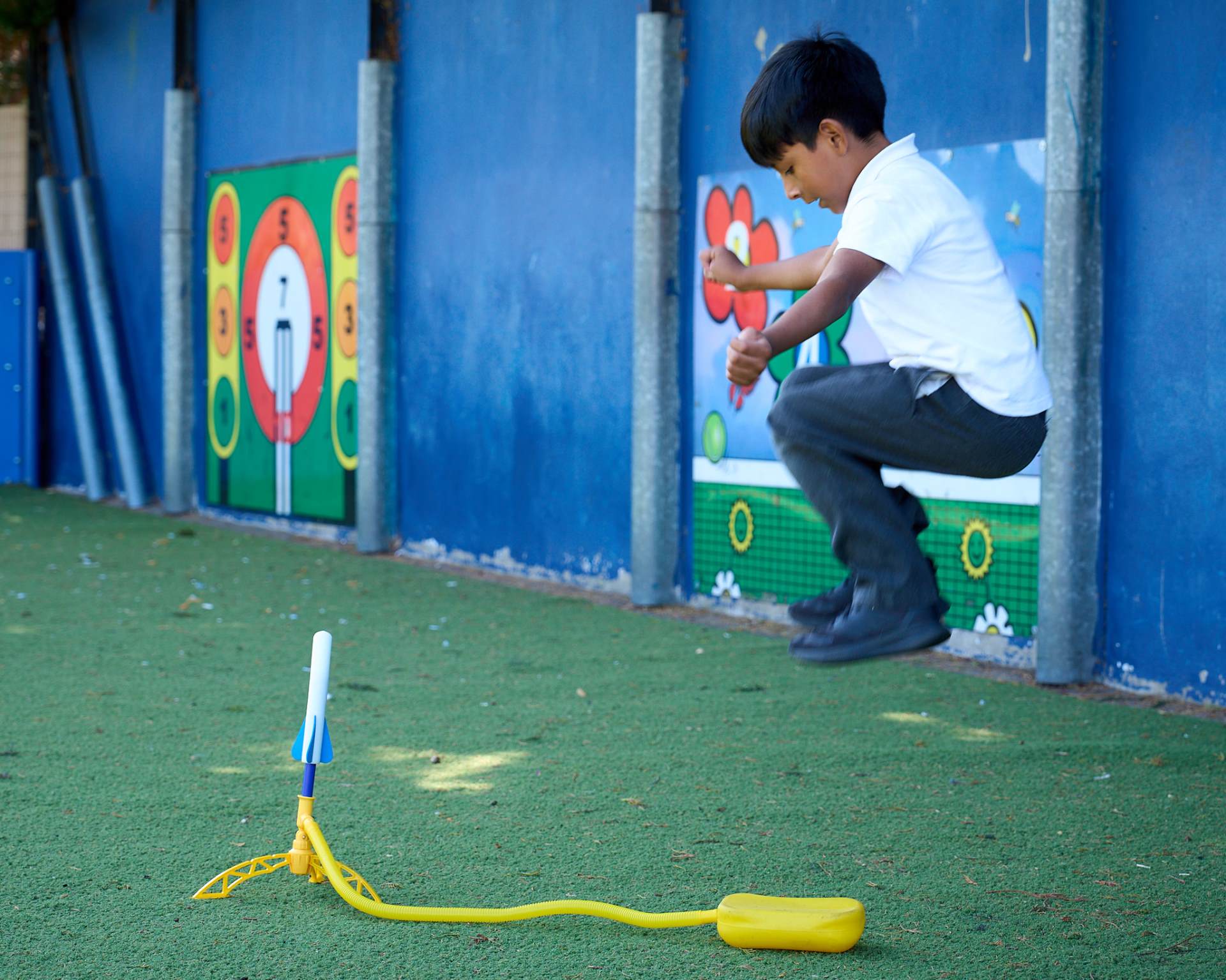
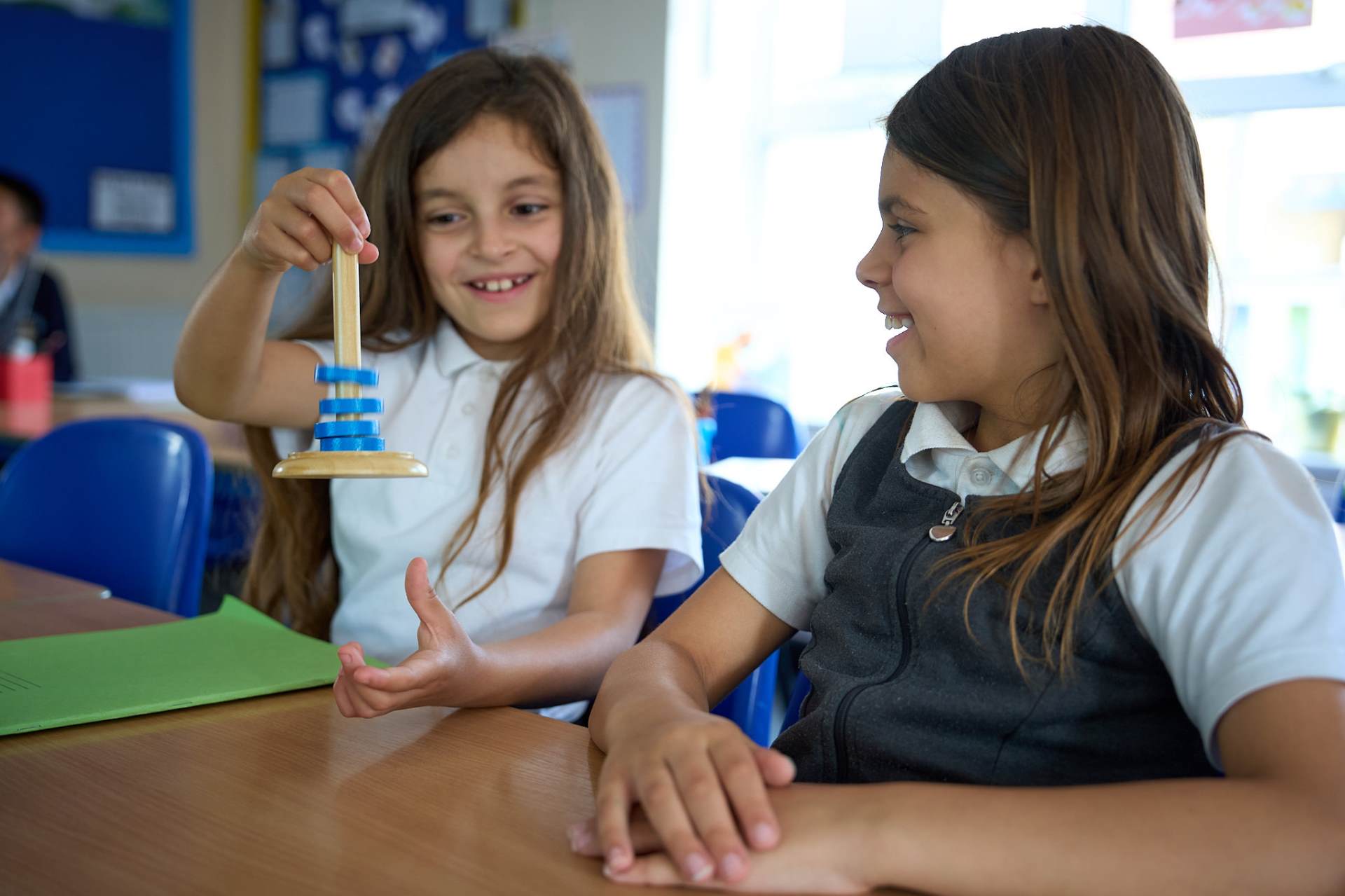
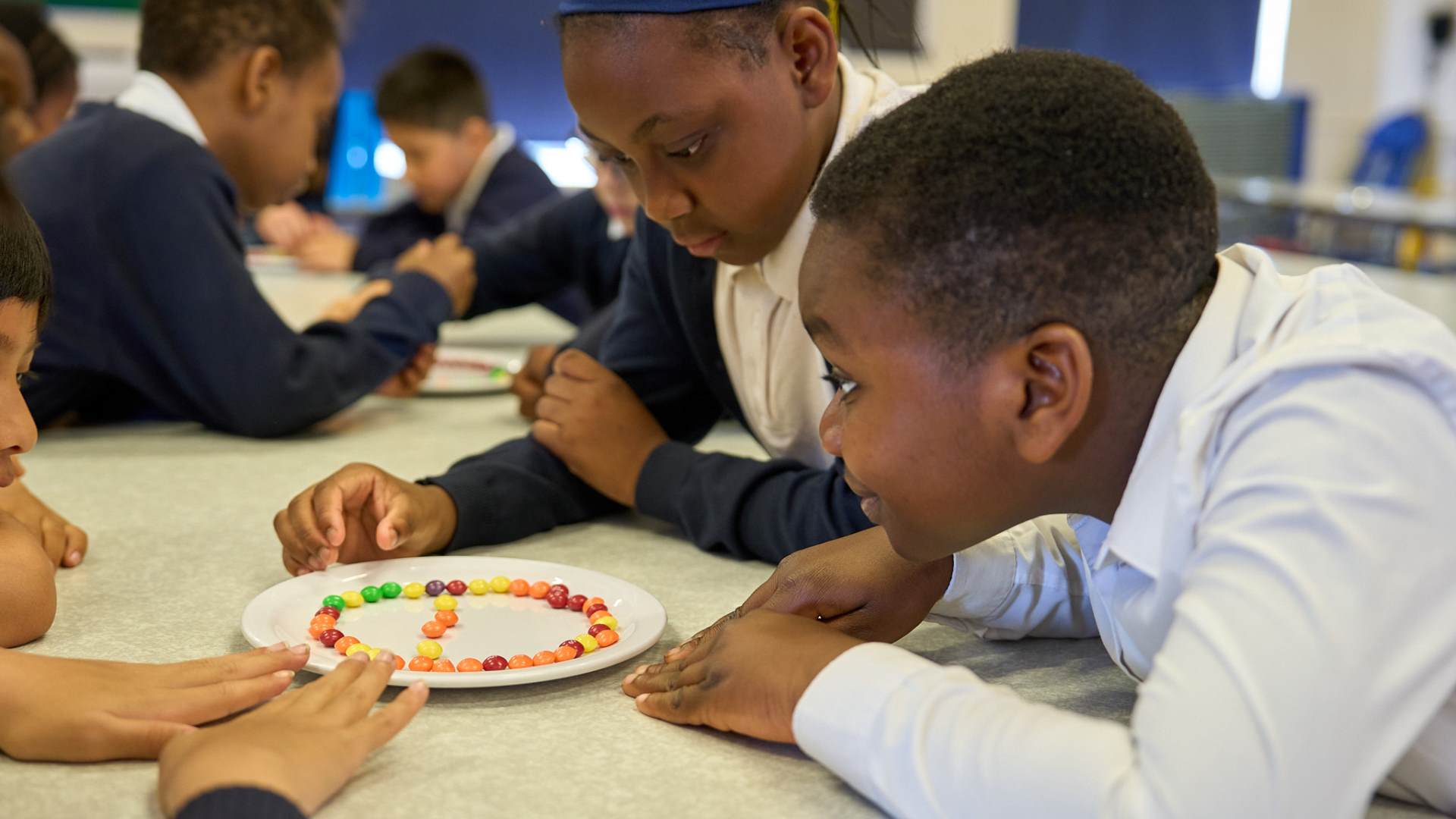
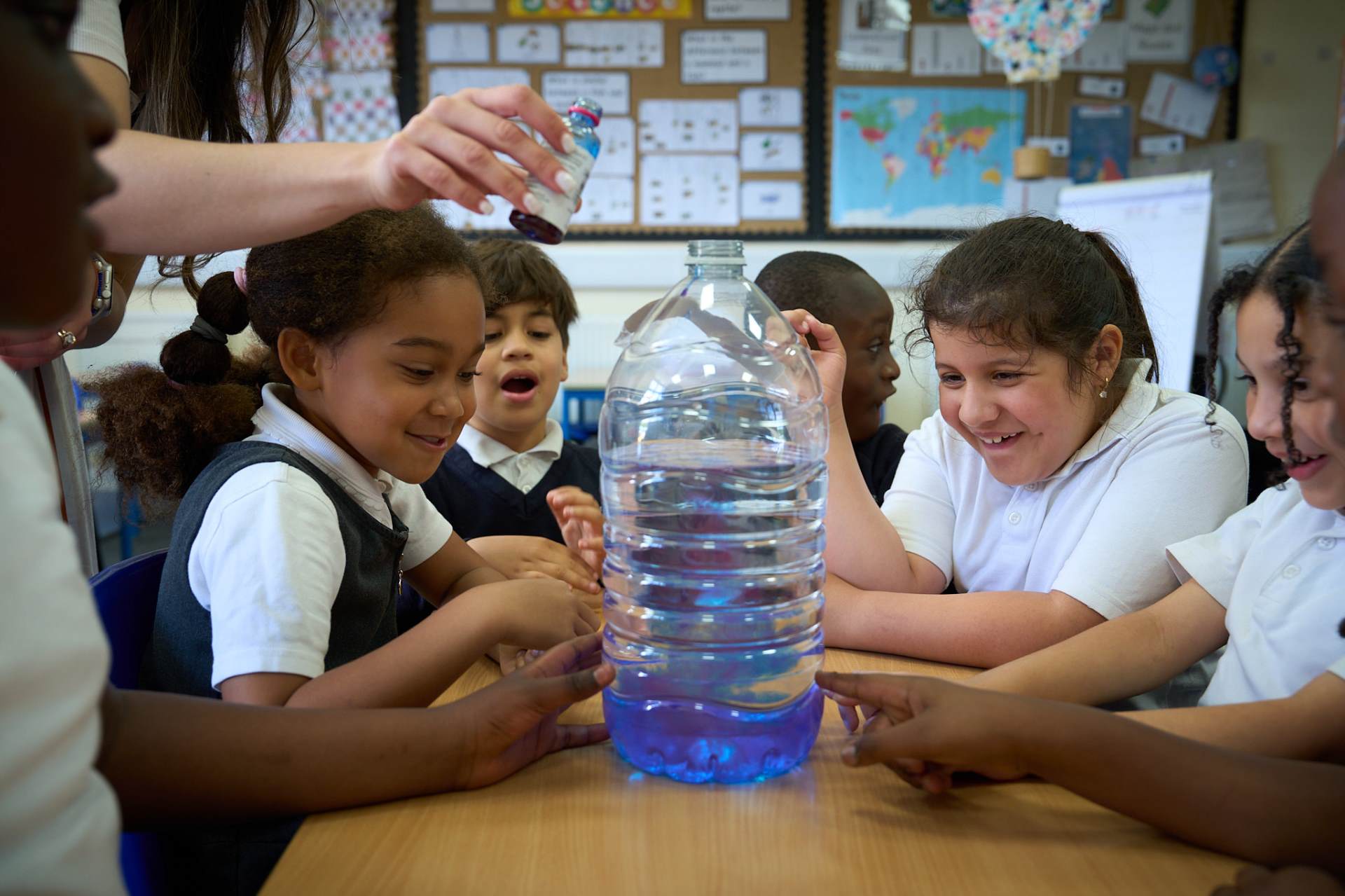
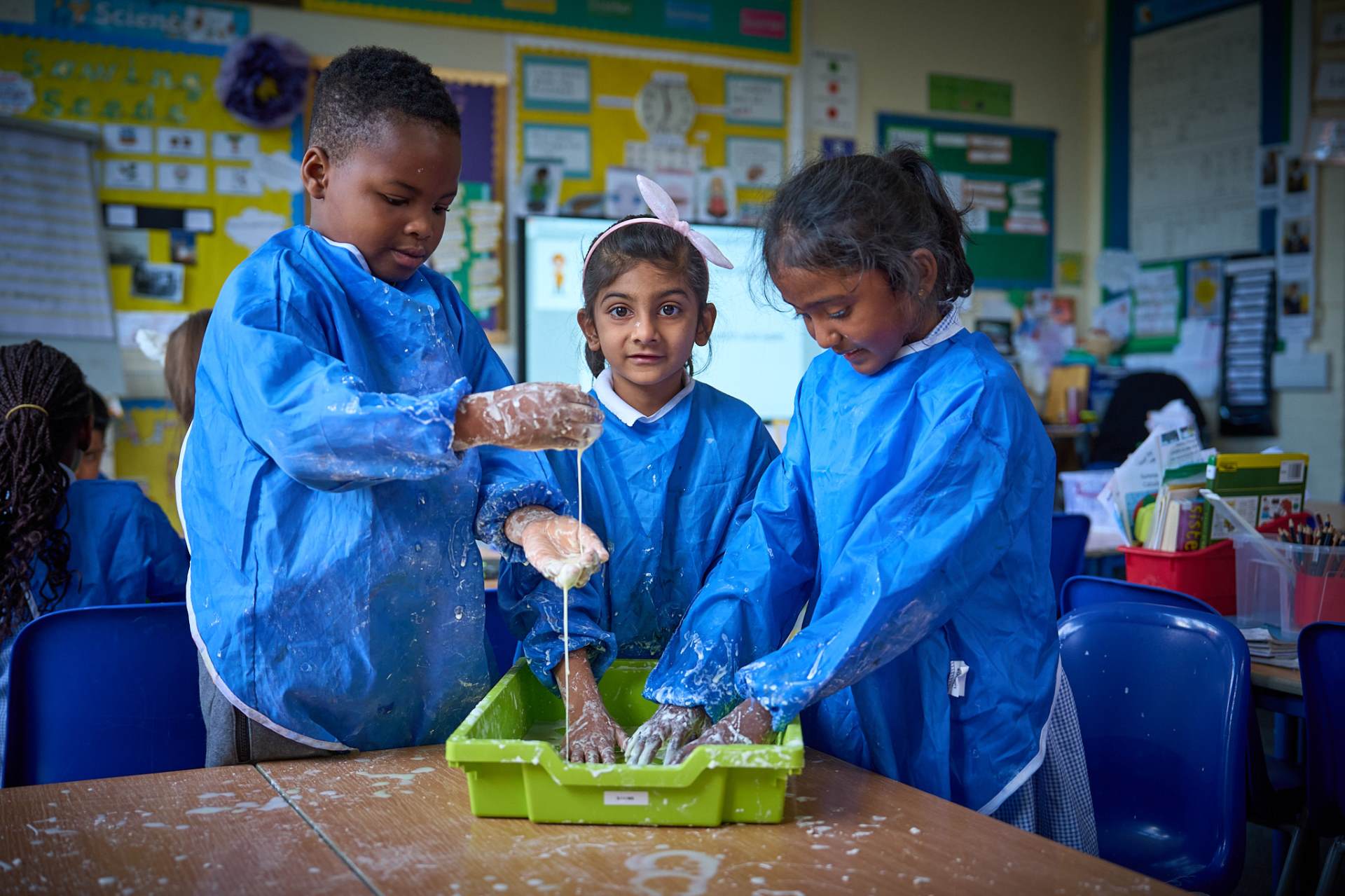
We hold an exciting Science Day every year, where each child spends the whole day investigating and exploring four different Science experiments.
Year 6 - Feel the Force!
"In Science and Design Technology today, we were learning about levers. I learnt that a lever is a simple mechanism and it is made up of parts: a beam and a pivot (or fulcrum). We were given a box full of parts to make a lever. It was quite challenging to make, but lots of fun and we persevered and we did it. I discovered that if you put the load closer to the pivot you will not have to use as much force for it to lift."
Deborah K - Year 6
STEM Challenge Day!
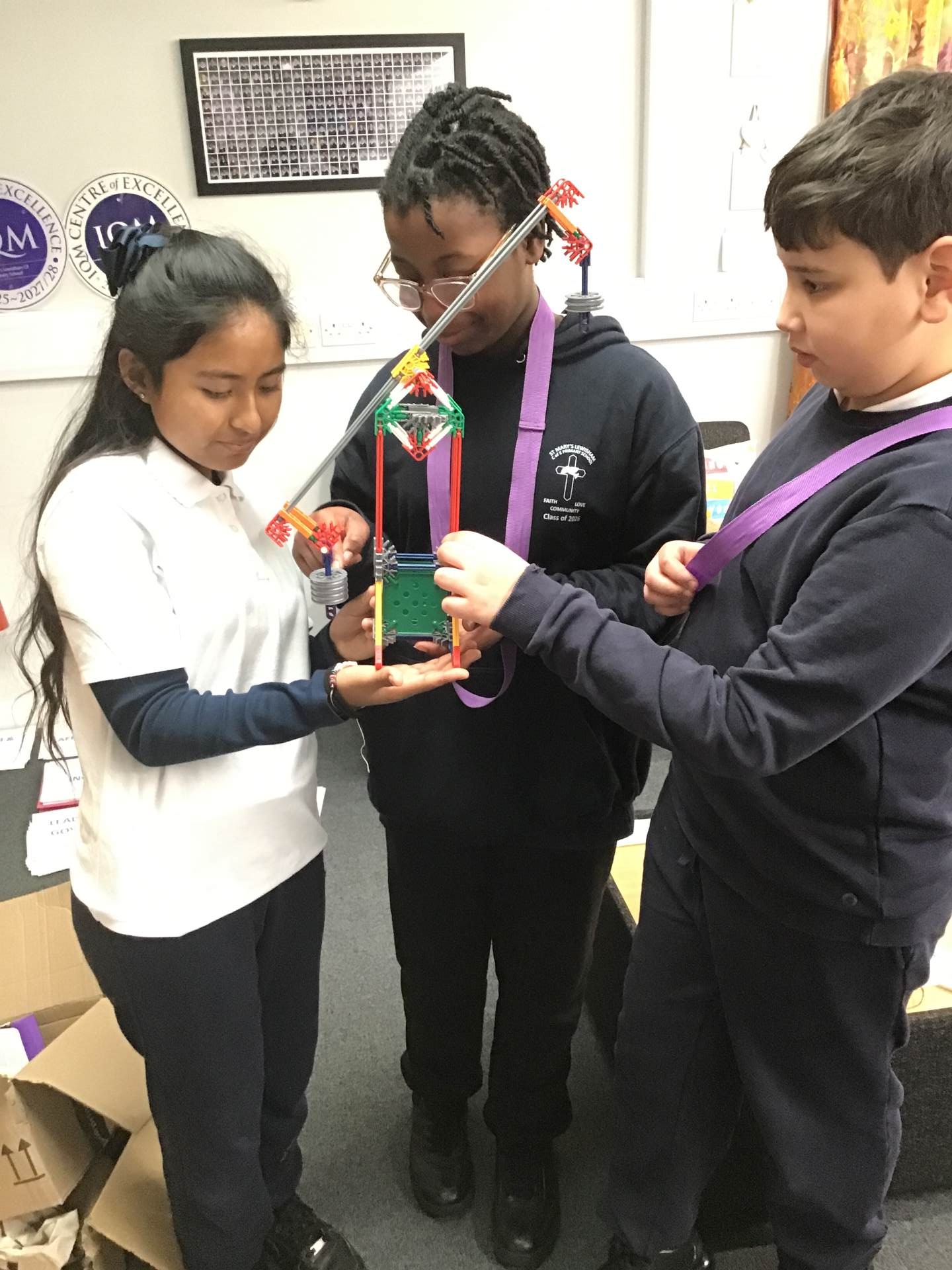
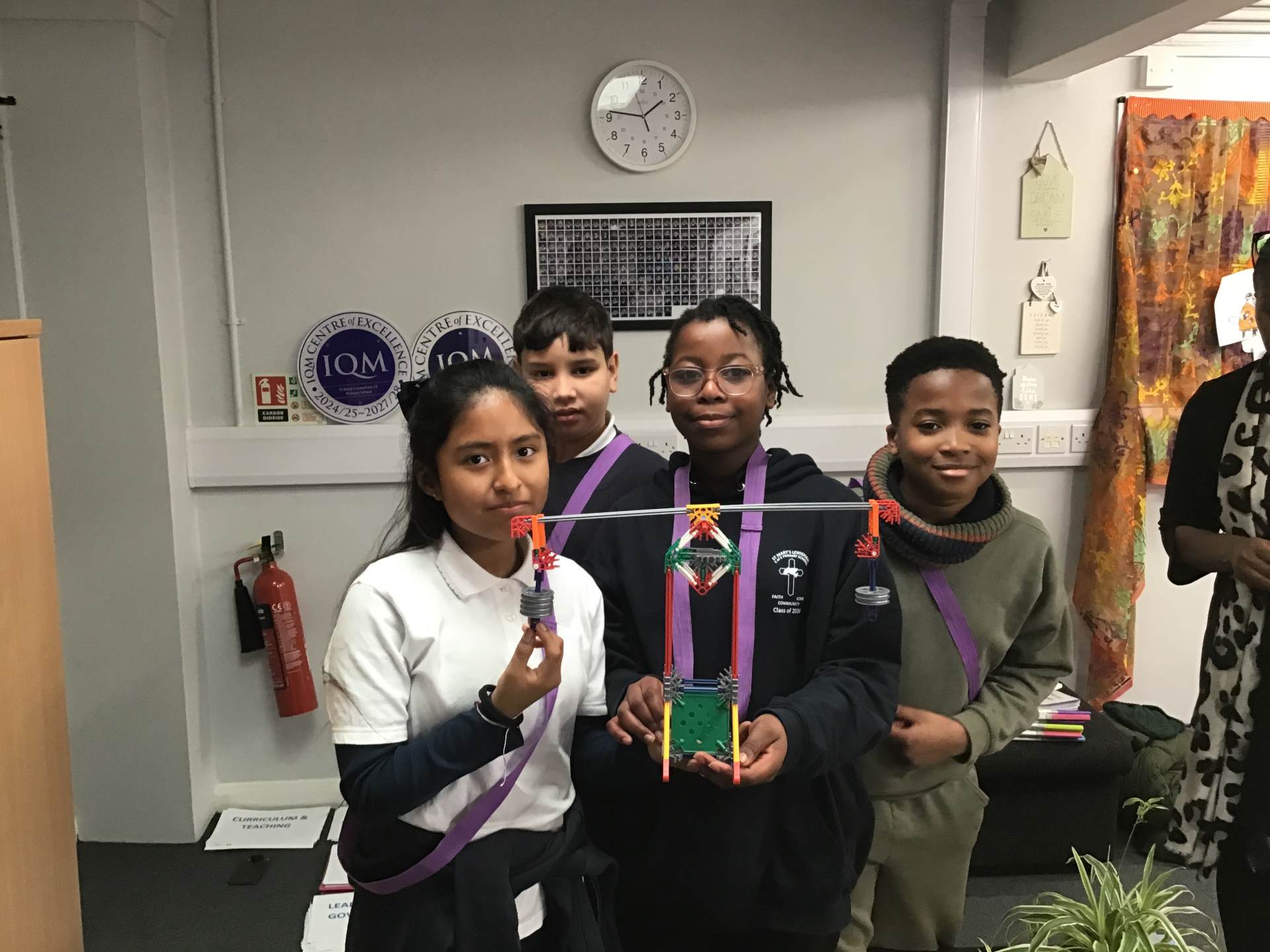
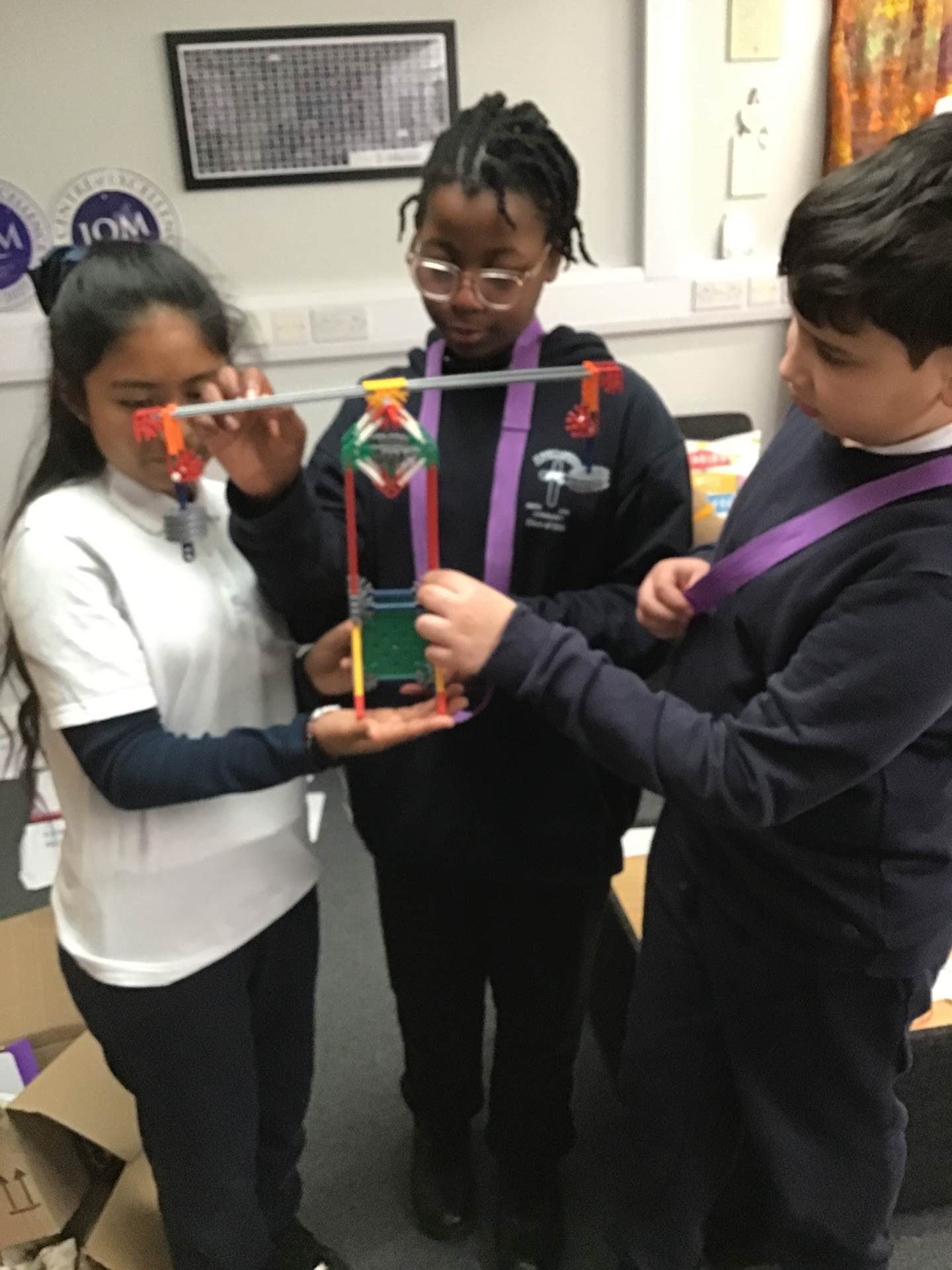
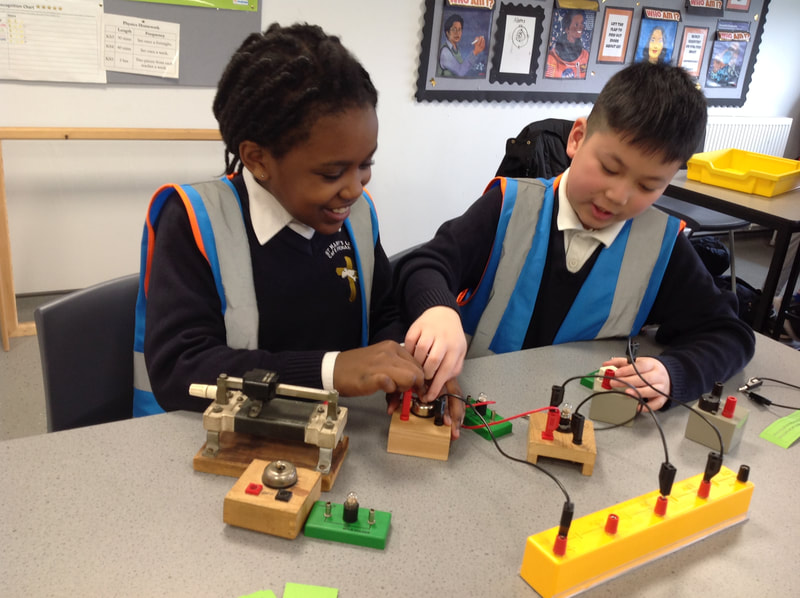
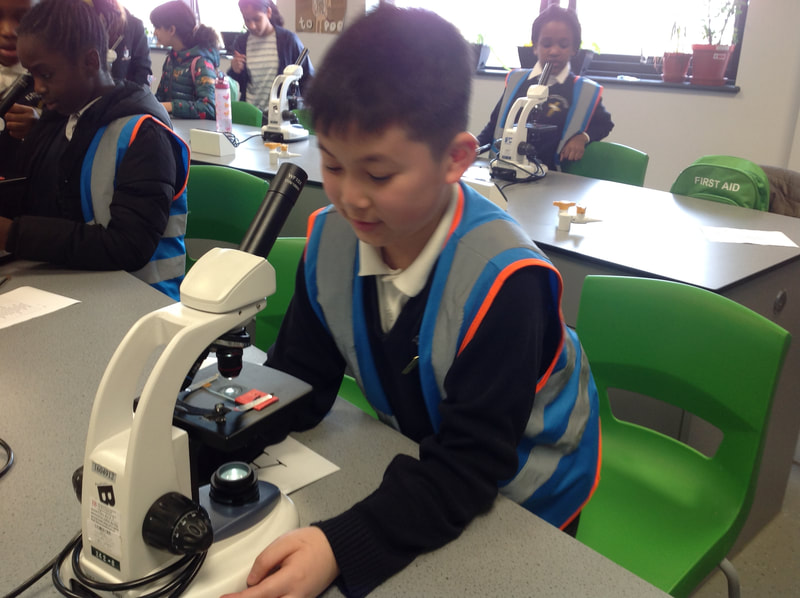
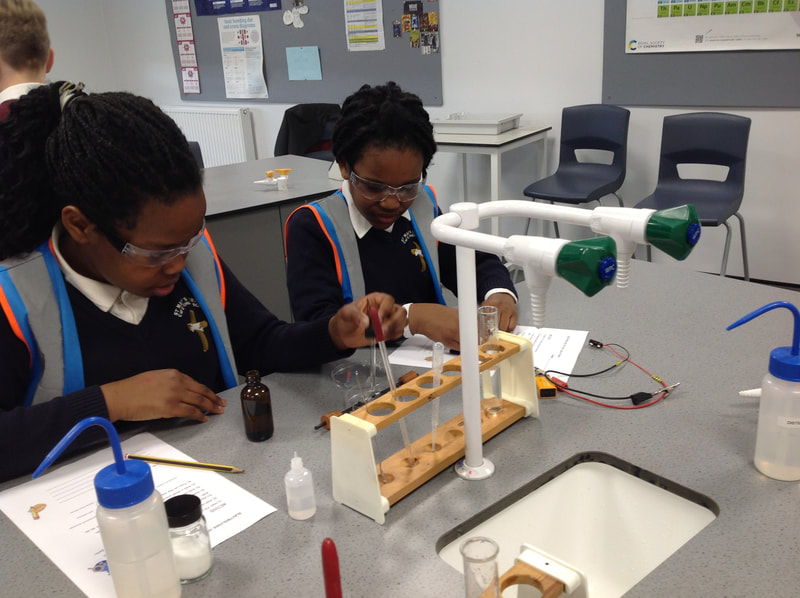
Two teams of children from Year 6 took part in a STEM (Science, Technology, Engineering, Mathematics) challenge event. They joined children from schools across Lewisham and explored electricity, chemical reactions, microscopes and many other scientific challenges.
Mudchute Farm Trip
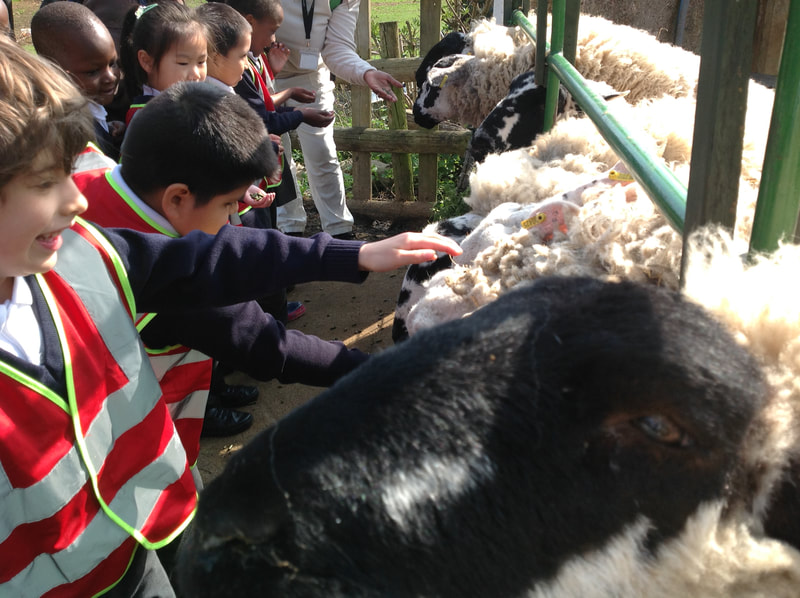
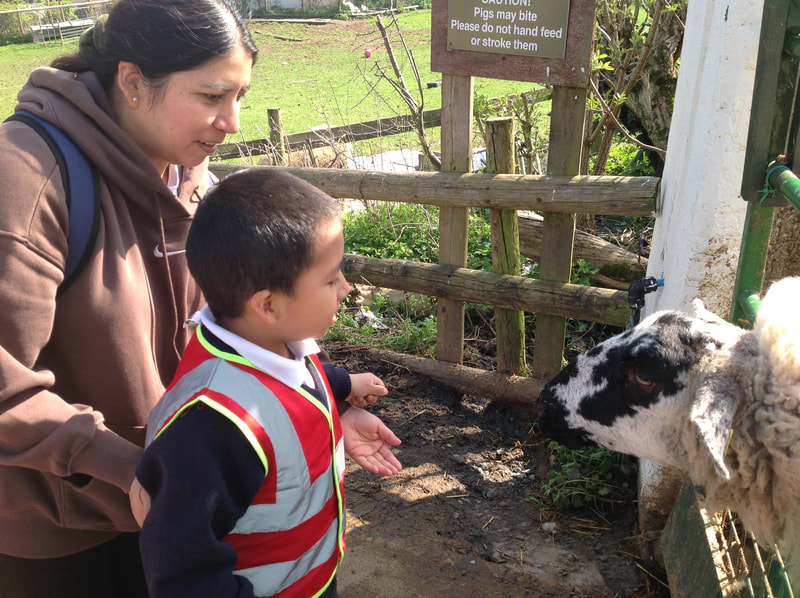
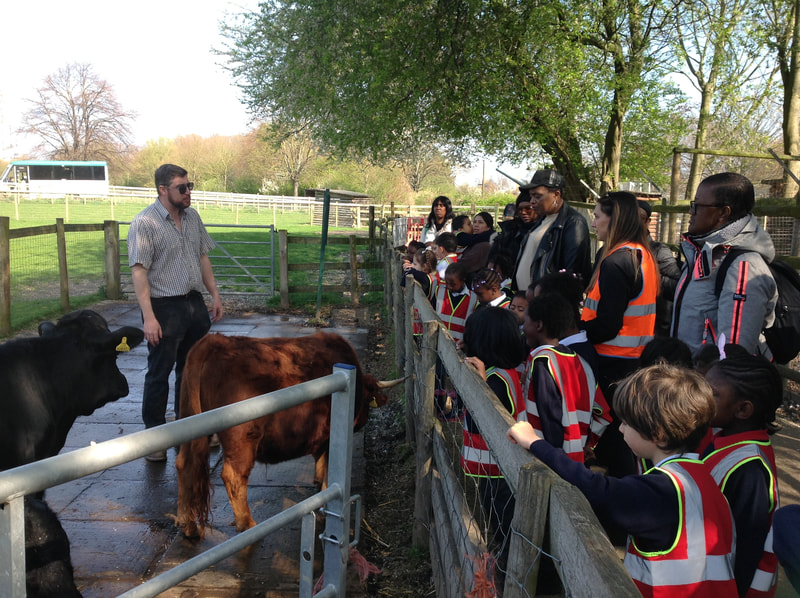
Year 1 and Year 2 enjoyed a great day out, meeting the animals, learning how to care for them and even enjoying the chance to feed them!
Biomes
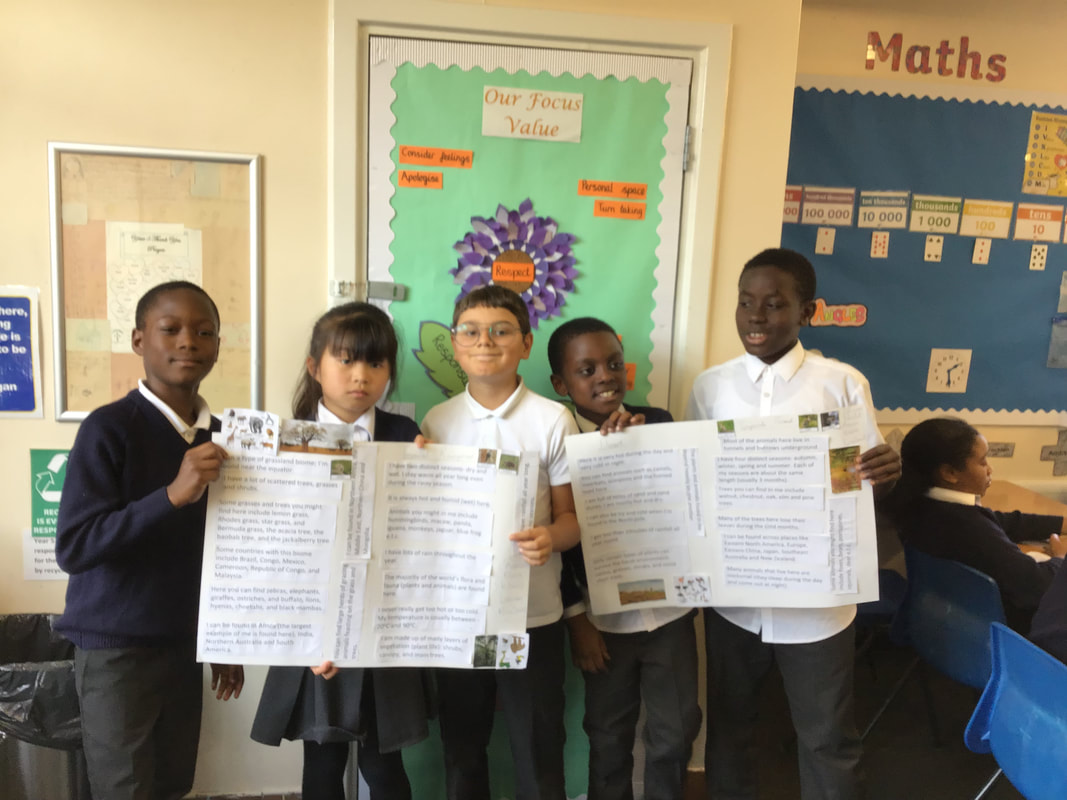
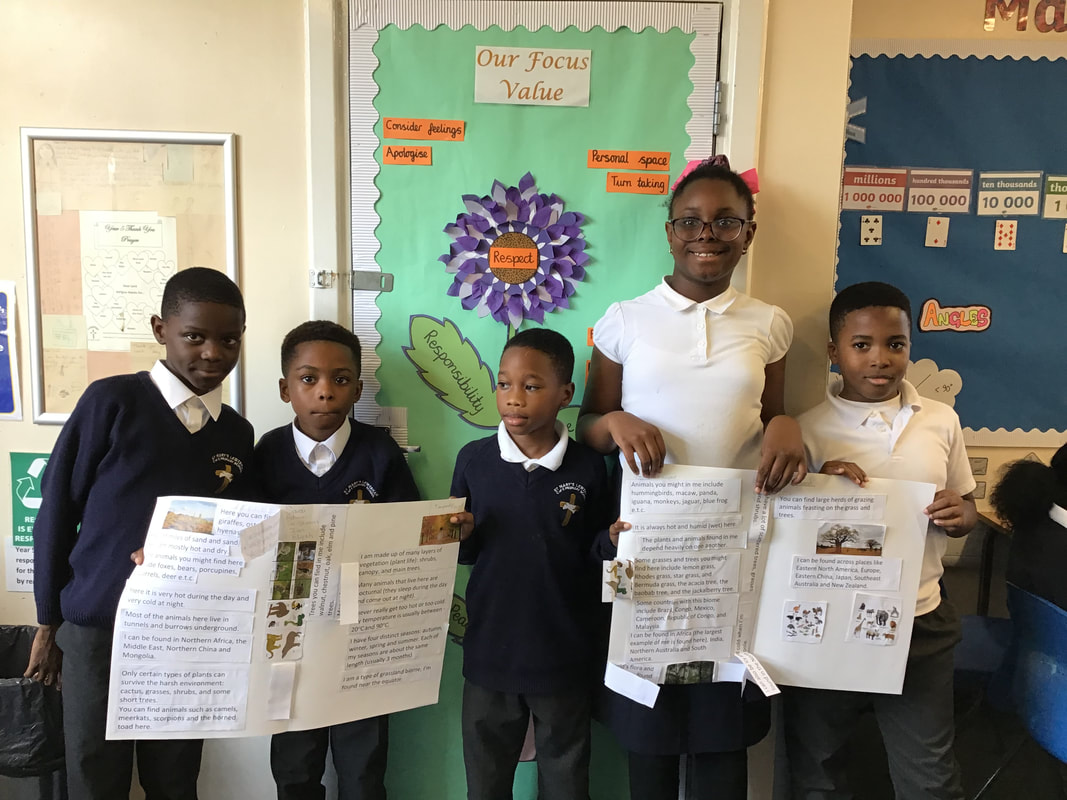
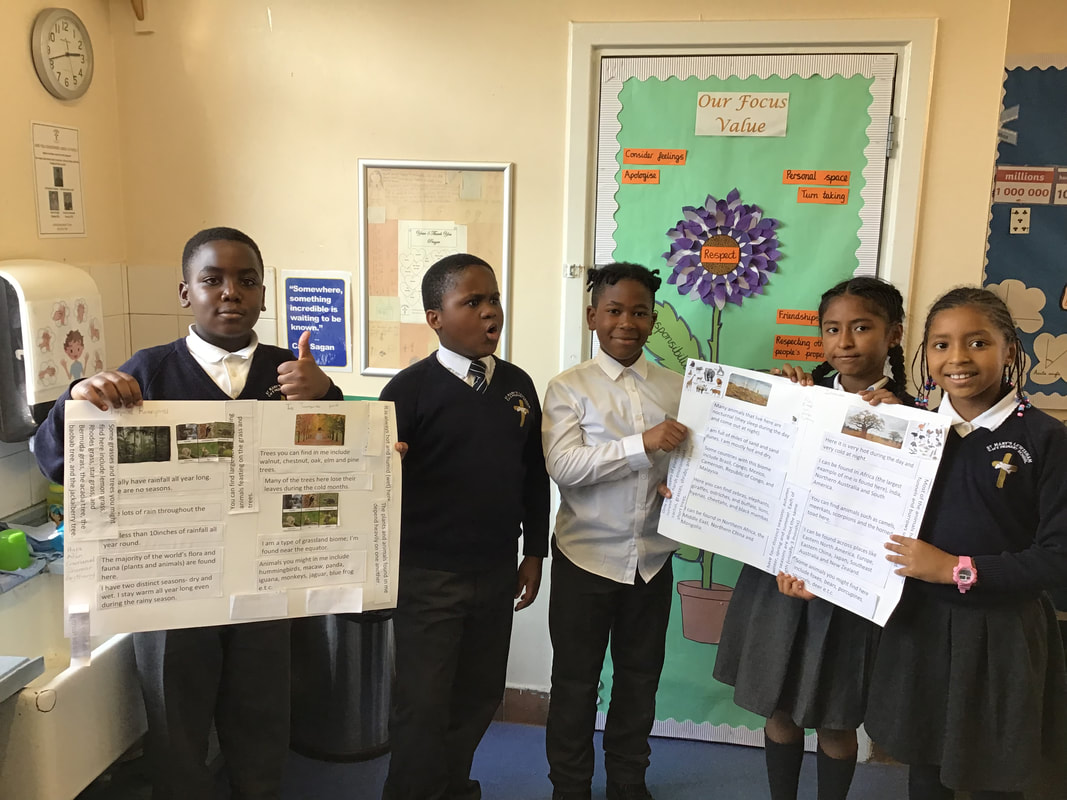
We have been learning about Biomes, their characteristics and the different fauna and flora that thrive in them. We worked in groups to sort sentence strips (which contained facts about the different biomes), animals and pictures into the right groups: Savannah, Temperate Rainforest, Tropical Rainforest and Desert.
Our focus location in Geography is Africa (Nigeria- Benin). We discovered that the ancient Benin kingdom was a rainforest biome, however the continent of Africa also features Savannahs and deserts.