

History
Curriculum Progression
St Mary's History curriculum is carefully sequenced to ensure pupils develop a secure understanding of the past while building increasingly sophisticated historical skills. From Key Stage 1, children begin by exploring the concept of time through their own experiences, stories and familiar objects, learning to distinguish between “then” and “now”. As they progress through Key Stage 2, pupils develop a deeper chronological understanding, placing eve History is taught as part of a thematic curriculum, allowing pupils to make meaningful links across subjects such as geography, science, literacy and art. Themes such as travel, power, settlement, innovation, conflict, and community run through units from KS1 to Upper KS2, helping children connect learning across time and place. For example, early work on personal timelines and local history in KS1 supports later understanding of migration, empire and global connections in KS2. This coherent, knowledge-rich approach ensures pupils can clearly see how historical concepts develop and link together, strengthening long-term understanding and retention.
Knowledge, Skills and Vocabulary Progression Early Years Curriculum
Substantive and Disciplinary Knowledge
Our History curriculum develops both substantive knowledge and disciplinary knowledge in a carefully planned progression from Year 1 to Year 6. Substantive knowledge focuses on learning about people, events, periods and civilisations, such as the Great Fire of London, Ancient Egypt, the Maya, the Roman Empire, the Kingdom of Benin and World War II. This knowledge builds chronologically, helping pupils understand how life has changed over time and how the past has shaped the present. Disciplinary knowledge teaches pupils how historians work: understanding chronology, using and evaluating sources, identifying cause and consequence, recognising similarity and difference, asking historical questions, and forming evidence-based conclusions.
Vocabulary
| Year 1 | old, new, now, then, past, present, days, months, years, story, event |
| Year 2 | recently, long ago, before, after, later, change, history, fact, fiction |
| Year 3 | century, decade, ancient, modern, during, previously, historical, source, reliable |
| Year 4 | prehistory, age, way of life, significant, eyewitness, settlement, invasion, primary source, secondary source |
| Year 5 | BCE / CE (BC / AD), civilisation, empire, poverty, migration, refugee, evacuee, bias, interpretation |
| Year 6 |
dynasty, society, revolution, political, cultural, monarchy, ancestor, cause, consequence, diversity, representation |
Click below to learn about our History Curriculum Intent, Implementation and Impact:
Intent
Our intent is to inspire pupils’ curiosity about the past and develop a secure understanding of Britain’s history and that of the wider world. We aim for children to gain a coherent chronological framework, understand how people’s lives have been shaped by historical events, and recognise the diversity of experiences across time and place. Through the study of significant individuals, events and civilisations, pupils learn to ask perceptive questions and think critically.
Implementation
History is taught through a carefully planned and progressive sequence of lessons that build both knowledge and skills year on year. Lessons make purposeful use of a wide range of sources, including artefacts, images, written documents, maps, census data and digital resources. Pupils are encouraged to ask questions, investigate evidence and communicate their understanding through discussion, writing, creative work and presentations. Vocabulary is explicitly taught and revisited, and opportunities are provided for pupils to compare periods, identify patterns and trends, and explain causes and consequences of historical events.
Impact
The impact of our History curriculum is that pupils leave primary school with a strong sense of chronology, a rich historical vocabulary and the confidence to evaluate evidence critically. Children can explain why events happened, how they affected people at the time, and how they continue to influence the present day. They understand that historical accounts can differ, that history can be interpreted in different ways and are able to justify their ideas using evidence. As a result, pupils are well prepared for further historical study and have developed transferable skills such as critical thinking, enquiry and effective communication. These skills are revisited and deepened across each unit so that pupils increasingly think, talk and write like historians.
Year 4 trip to Creekside Discovery Centre
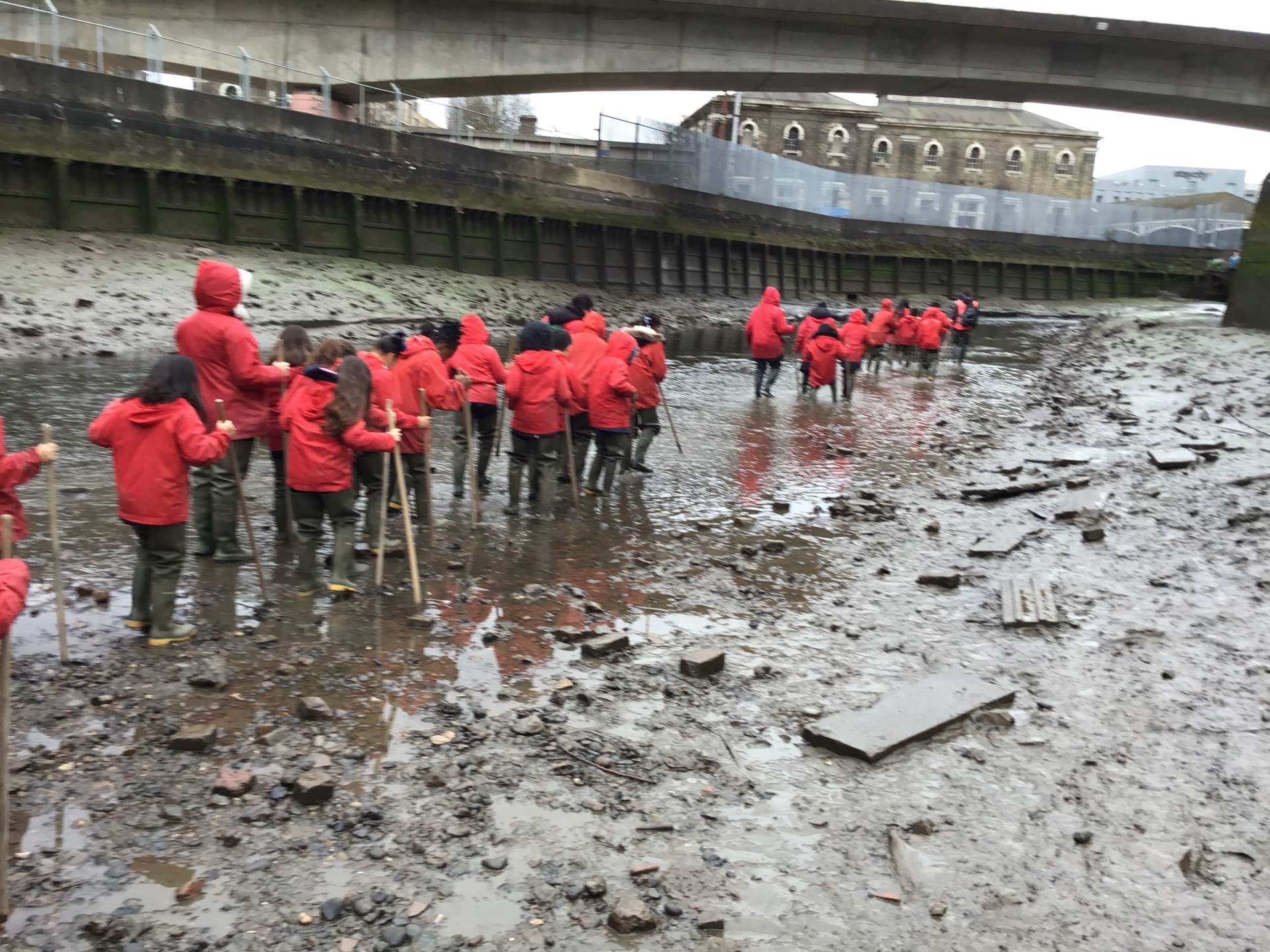
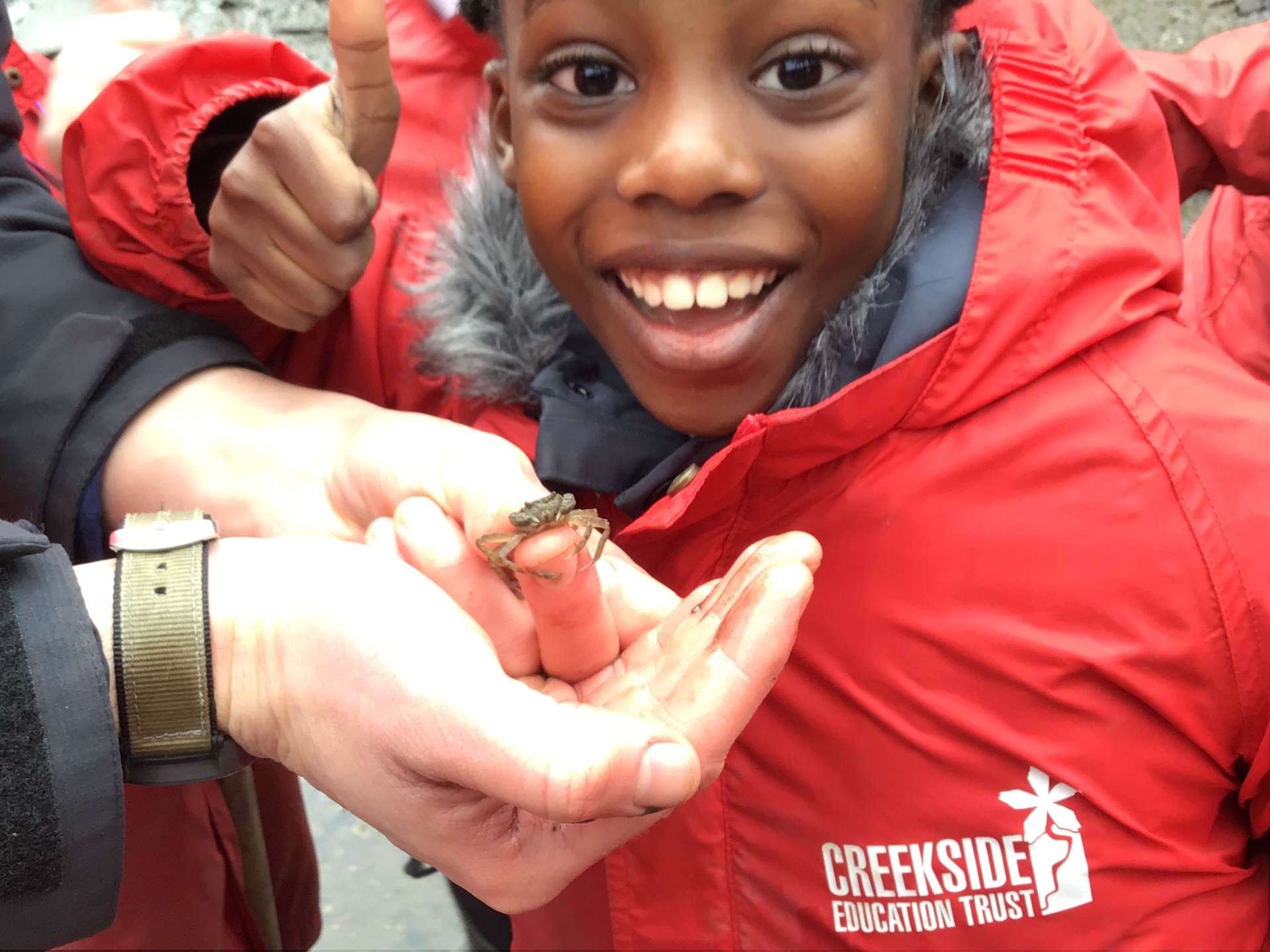
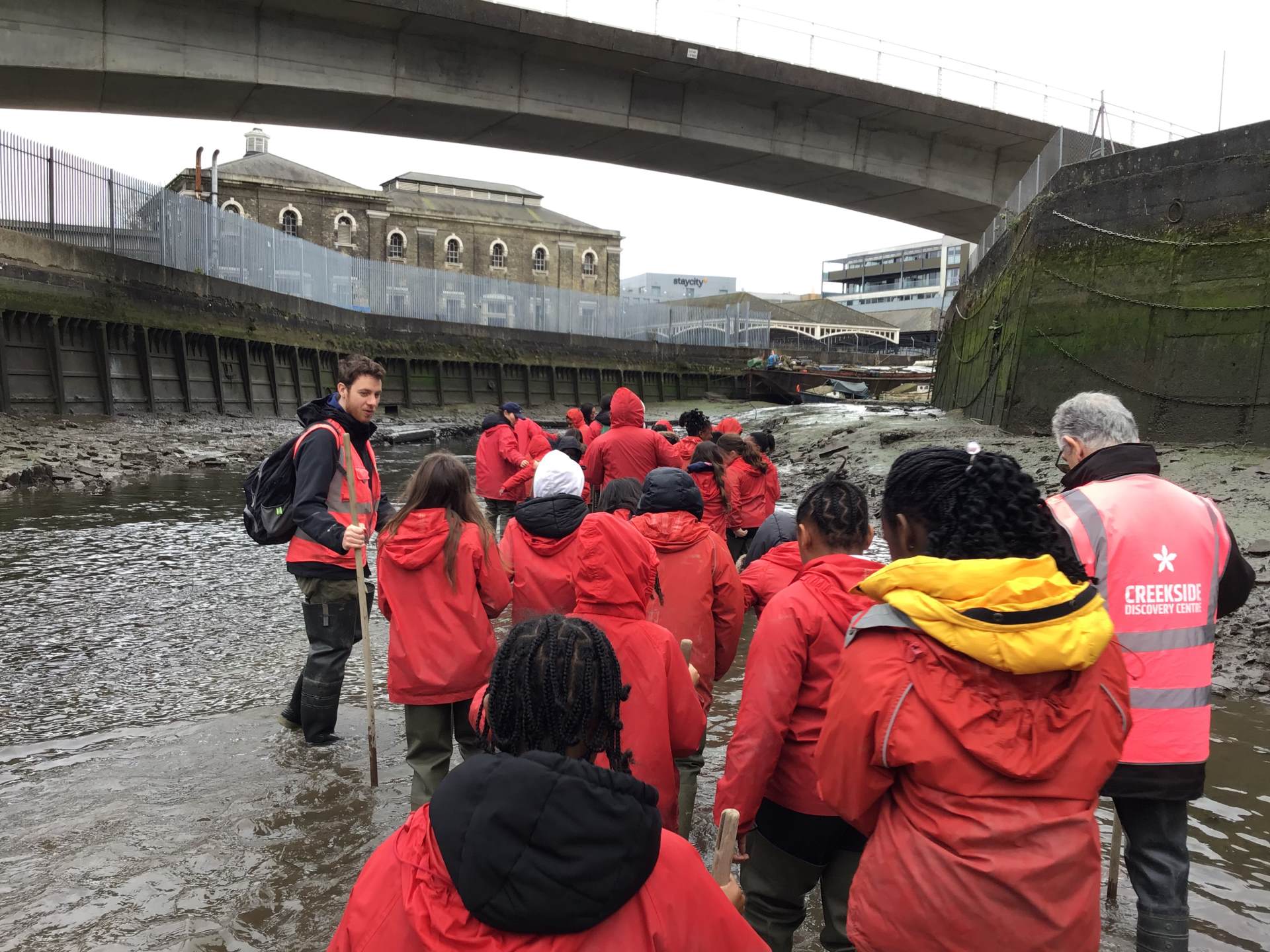
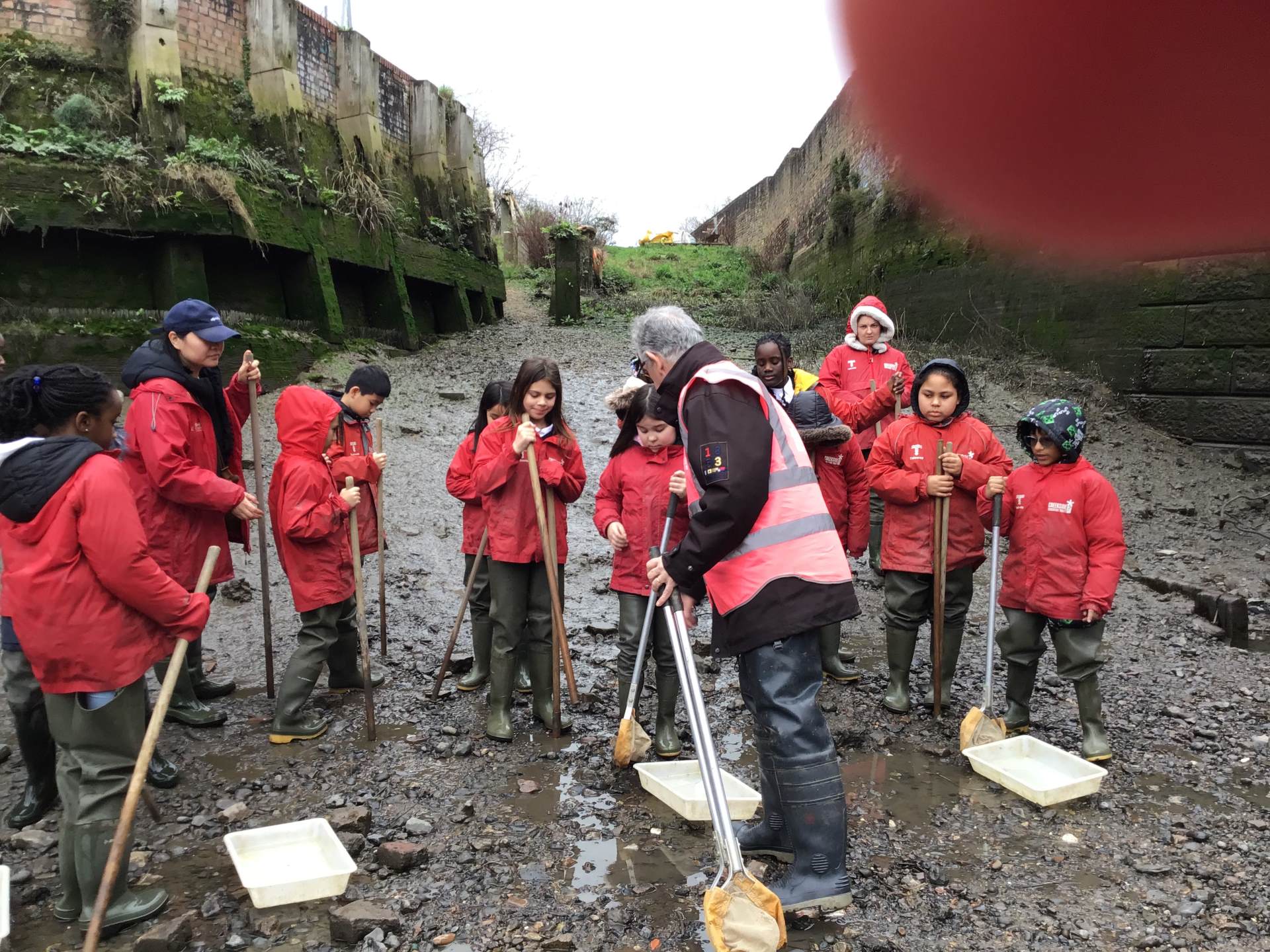
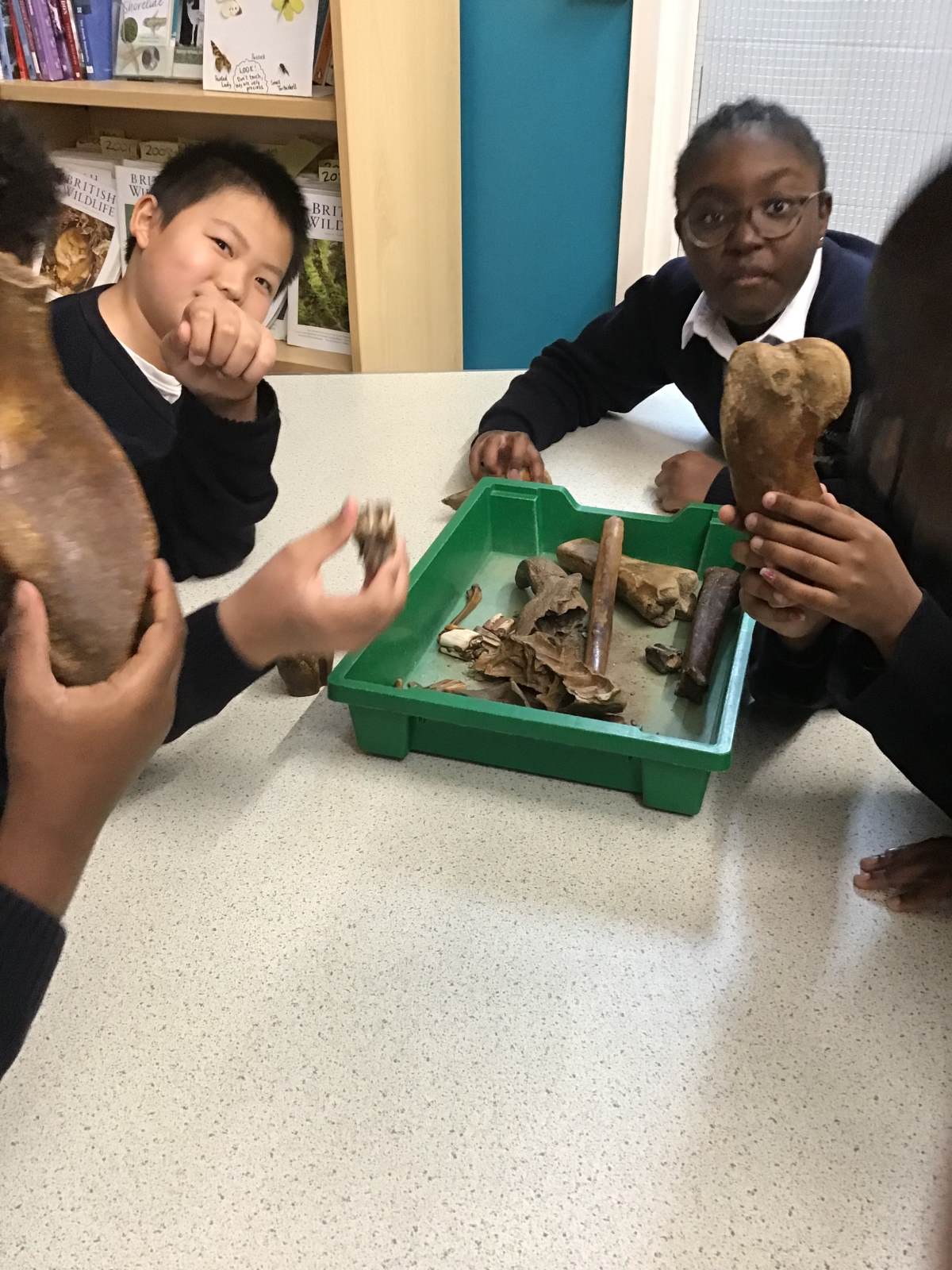
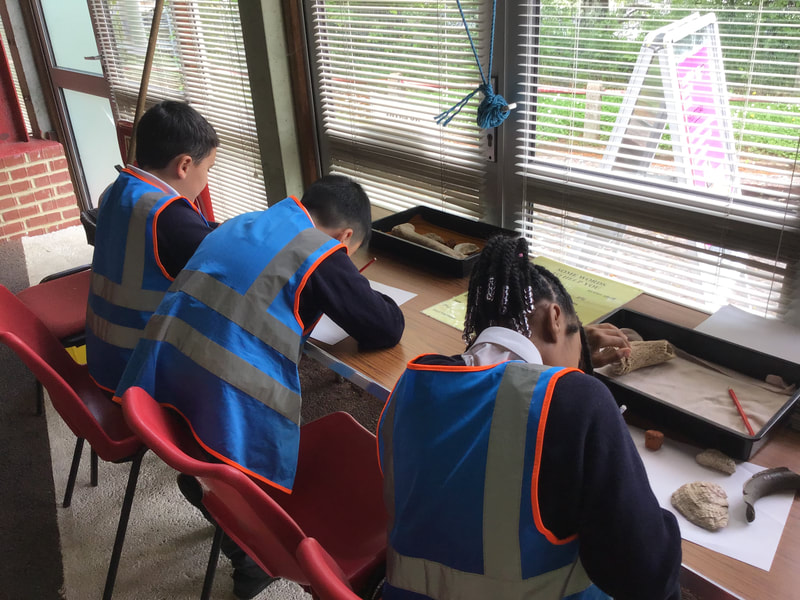
Year 4 visited Creekside Discovery Centre to find out more about the features of the River Thames. We walked along the creek and observed the riverbanks, the water and the surrounding area. We looked at real artefacts found in the river: we saw old shipbuilding materials, animal bones from butchers who once worked near the creek, and pottery made in the 1500s. This helped us understand what life was like in the past.
It was a great trip and helped us learn more about the history and geography of our local area.
Ancient Egpyt - sharing our learning
We enjoy sharing our learning across the thematic curriculum with the rest of the school, parents and governors in regular class-led worship. Year 4 shared their amazing learning about Ancient Egypt - demonstrating how learning across History, Geography, Science, Music, PSHE, Maths and Literacy was all connected.
Year 4 trip to the Horniman Museum
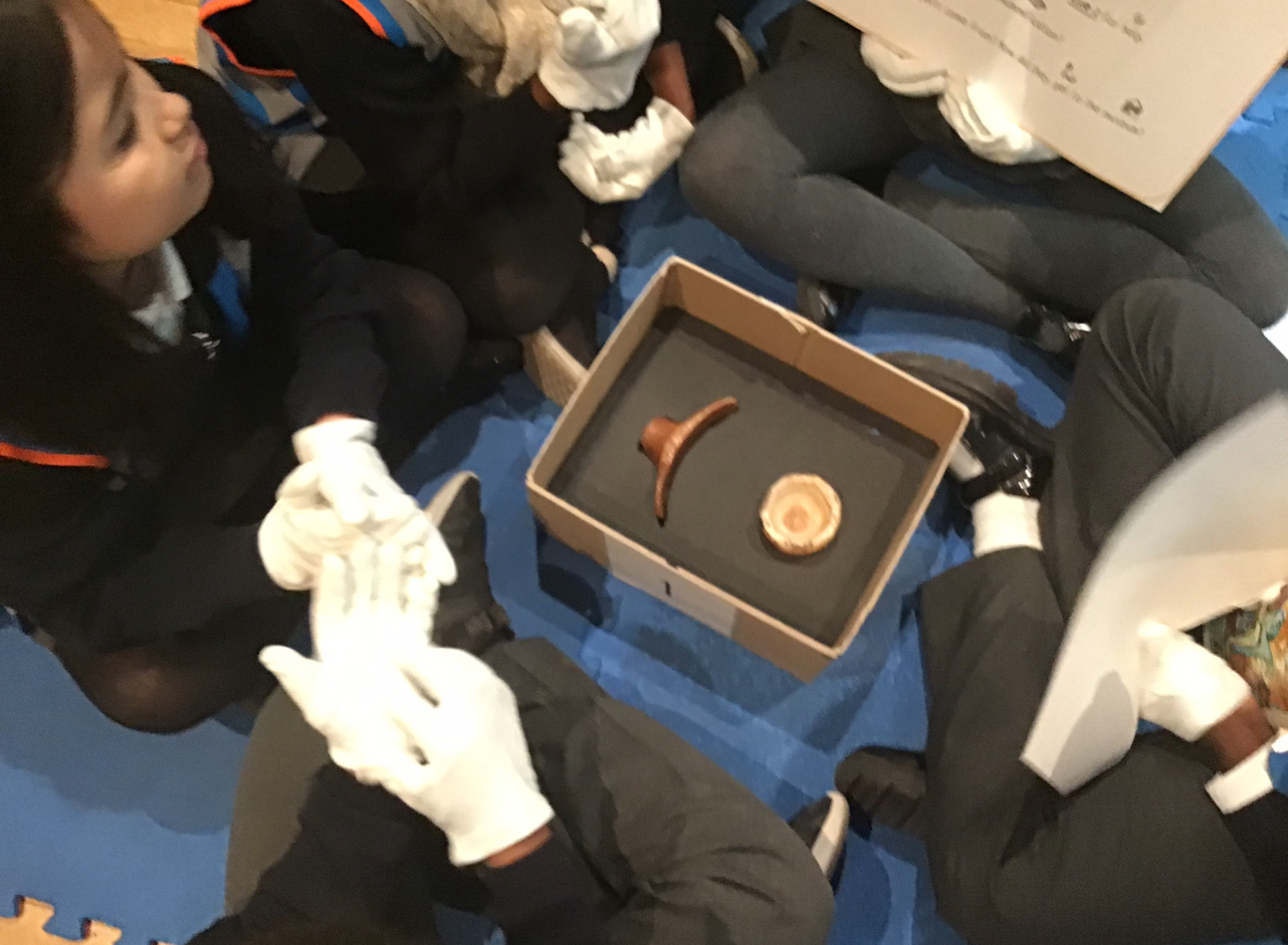
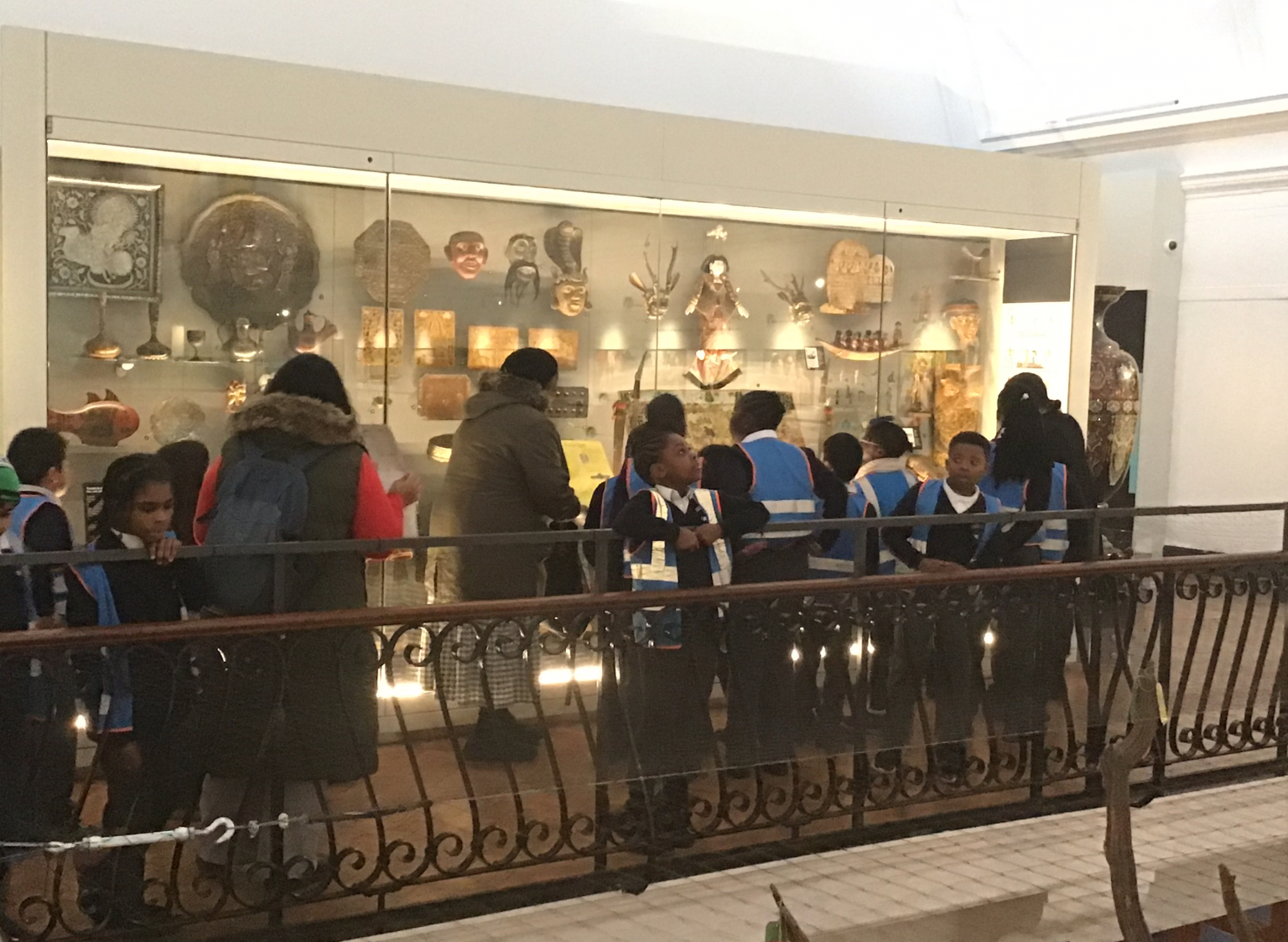
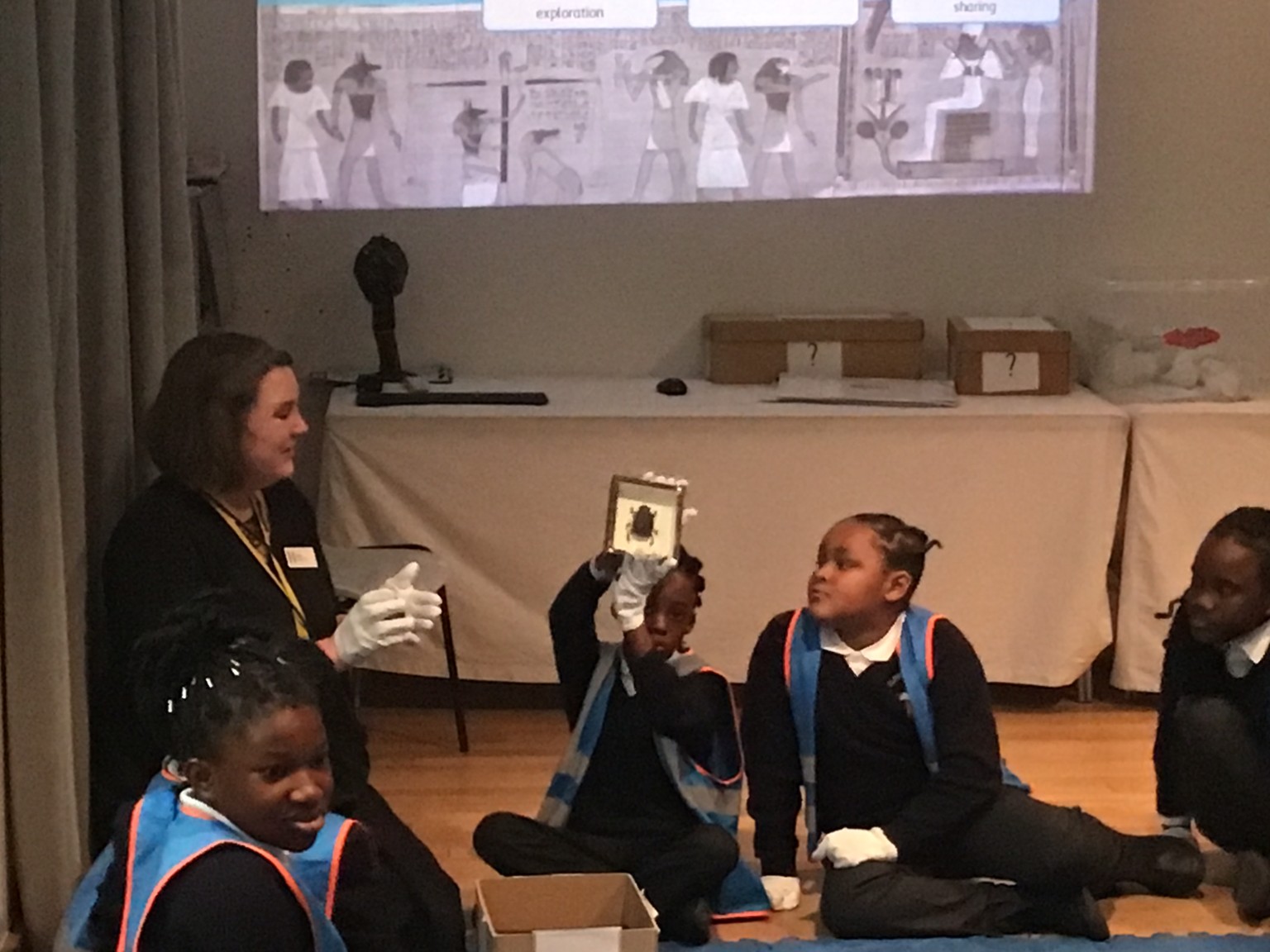
We had a wonderful trip to the Horniman Museum and Gardens to launch our exciting new topic on Ancient Egypt. During our visit, we explored the museum’s fascinating Egyptian collection. We examined ancient artefacts, including ritual statues and a beautifully decorated sarcophagus lid, carefully observing the details and discussing what these objects might reveal about life in Ancient Egypt.
In our workshop session, we handled real artefacts that are over 2,000 years old. Wearing special gloves, the children investigated jewellery, studied papyrus, and examined examples of hieroglyphs. We also learned about the important role of scarabs in Egyptian culture and why they were seen as symbols of protection and rebirth. We explored the work of famous archaeologists who discovered pharaohs’ tombs, including how these discoveries helped historians learn more about Ancient Egyptian beliefs and daily life.
Viking Workshop at Fulham Palace
Our History curriculum came alive as Year 5 journeyed to South-West London for an exciting day learning all about Viking life. The children learned through exploring historical artefacts, dressing up and through interactive workshops.
“We learned that the Vikings were very intelligent because they carefully planned their invasions. The artefacts helped me to understand how Vikings lived their lives hundreds of years before modern technology.”
Jeremy, Year 5


Crofton Roman Villa
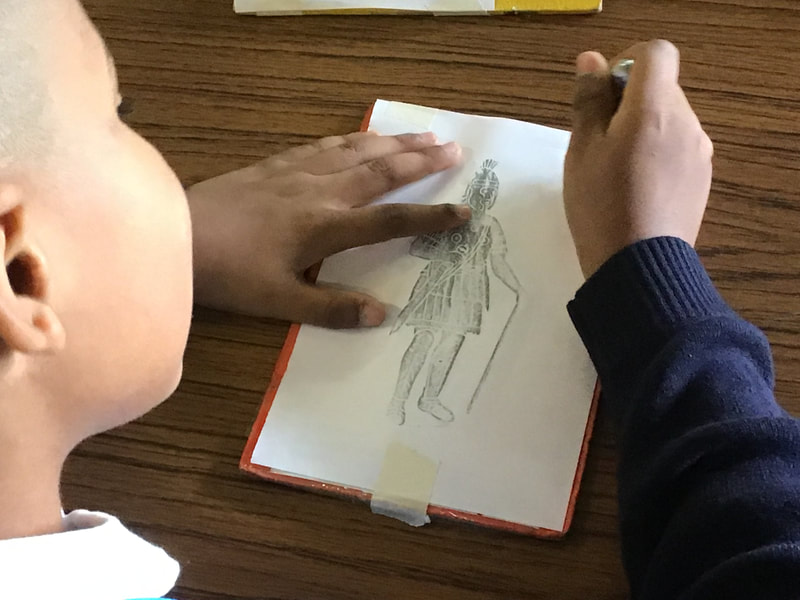
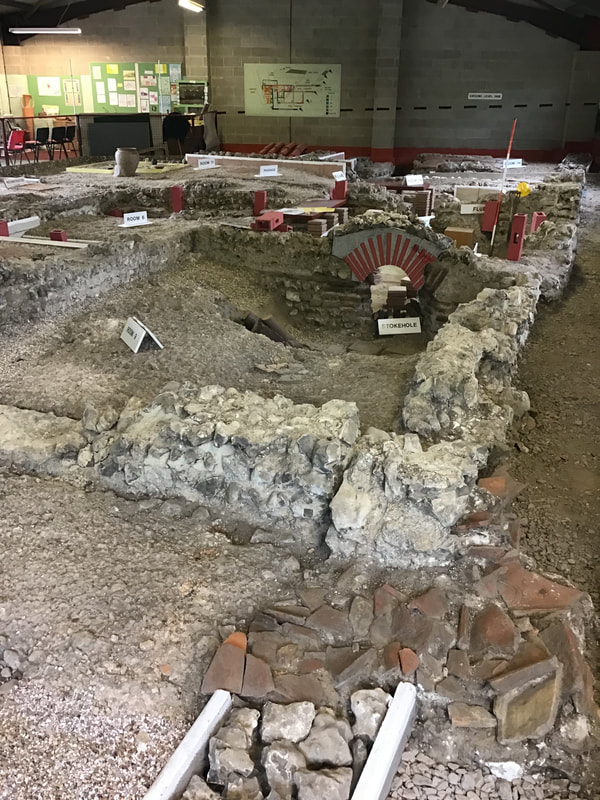
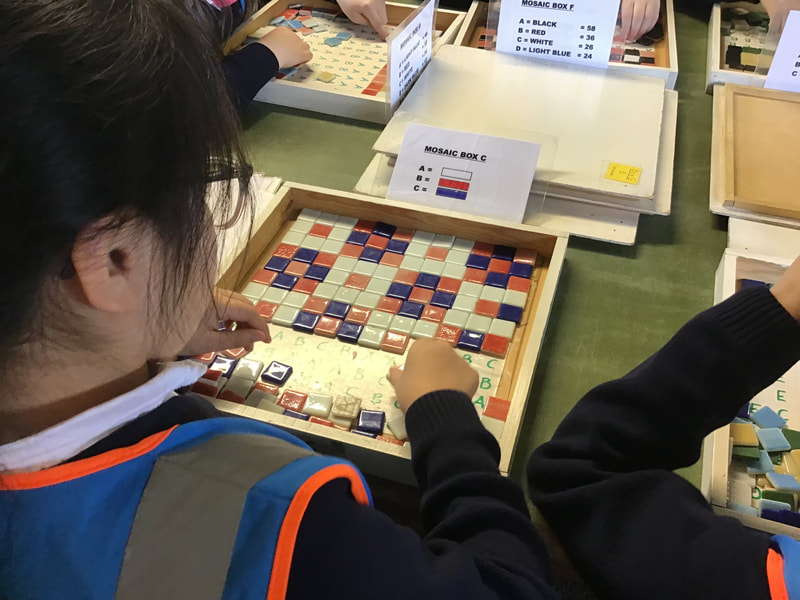
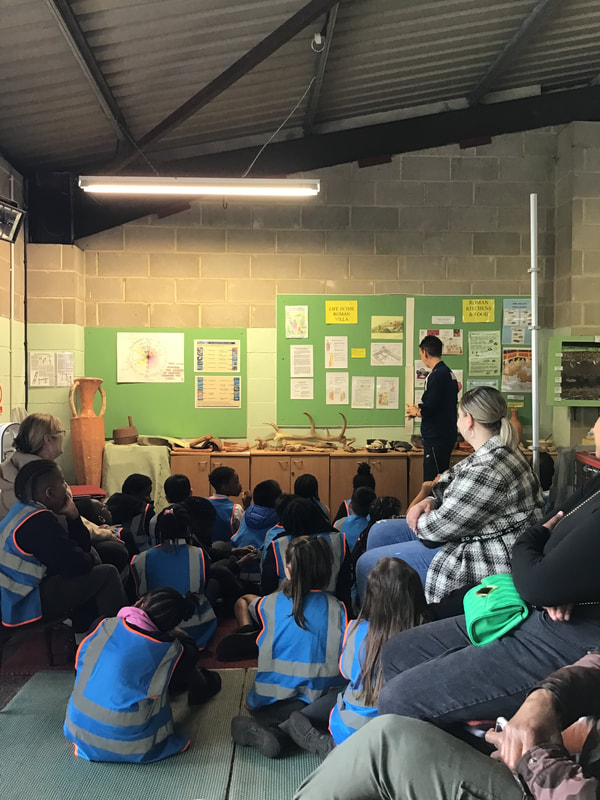
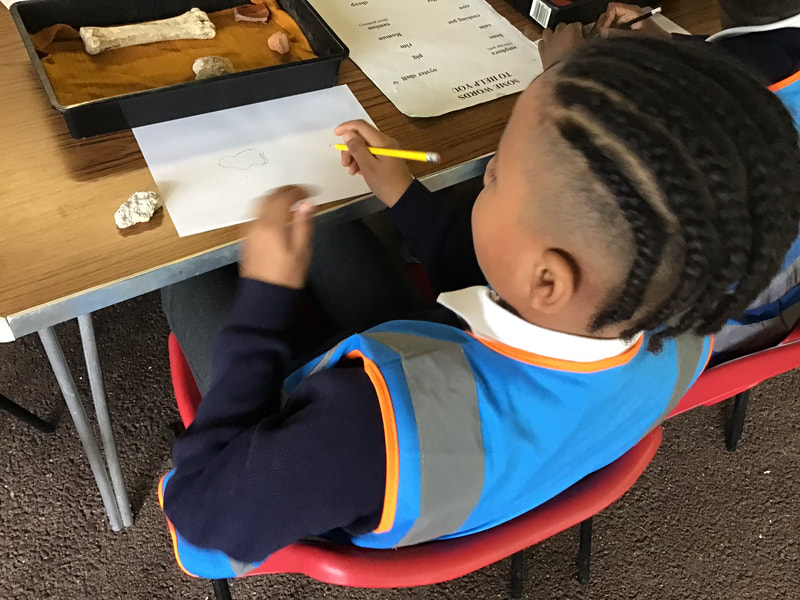
We had a wonderful time visiting Crofton Roman Villa as part of our learning in History. We learned from an expert about how archaeologists discovered the site and what they learned from the artefacts that were found. We created brass rubbings of different types of Roman soldier, used tesserae to make our own mosaics and completed some observational drawings of real Roman artefacts.
Polar Explorers
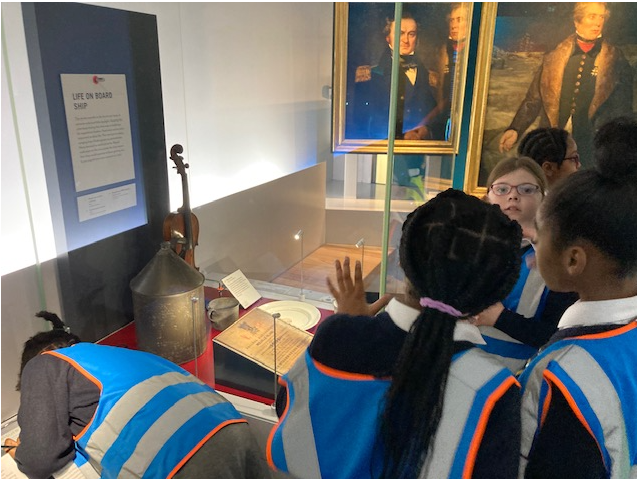
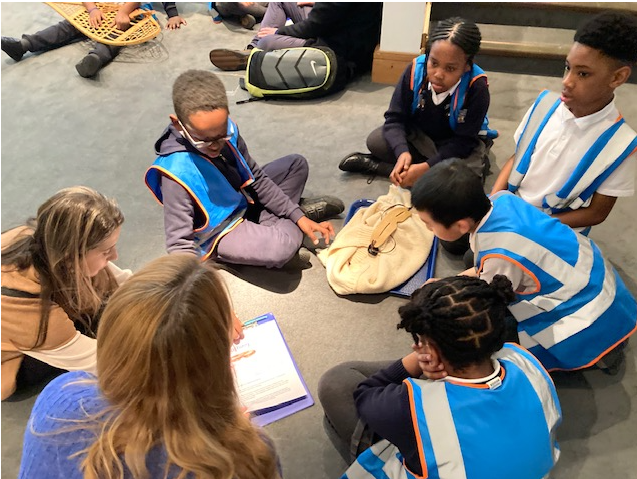
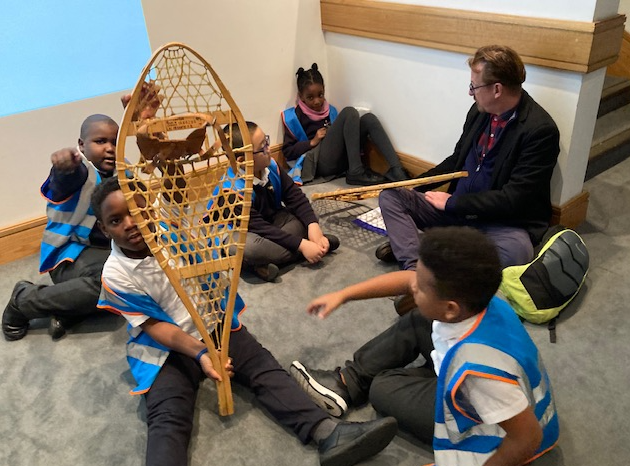
Year 3 and Year 4 visited the Maritime Museum to learn all about Polar Explorers as part of our learning in History. The children worked as a team to plan an expedition to the North Pole. We went into the museum galleries to research what food we could eat, clothes we could wear, how we could make a shelter, travel and keep ourselves entertained!
Lewisham Fire Station
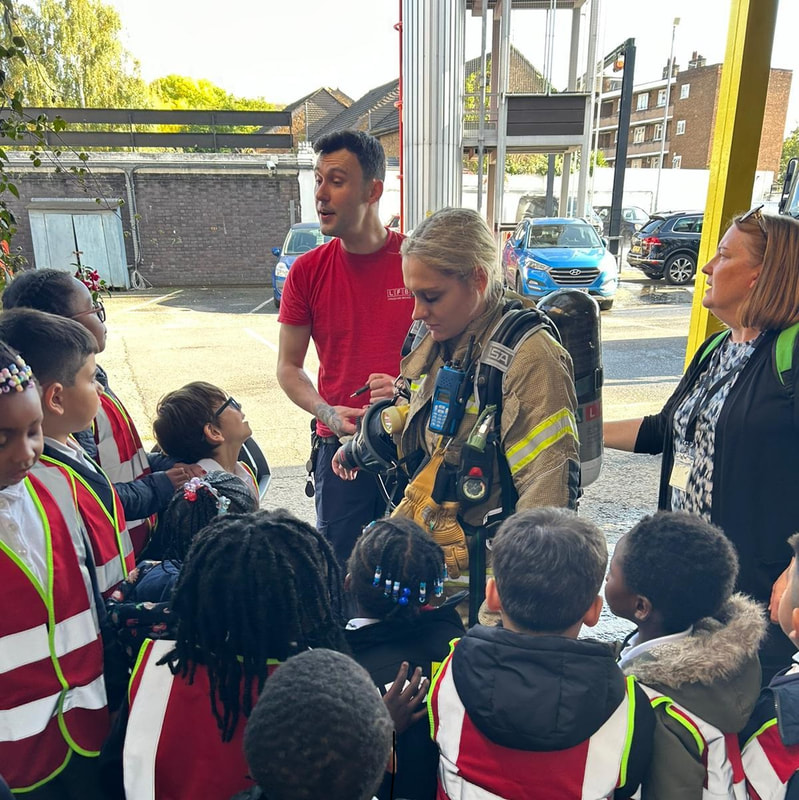
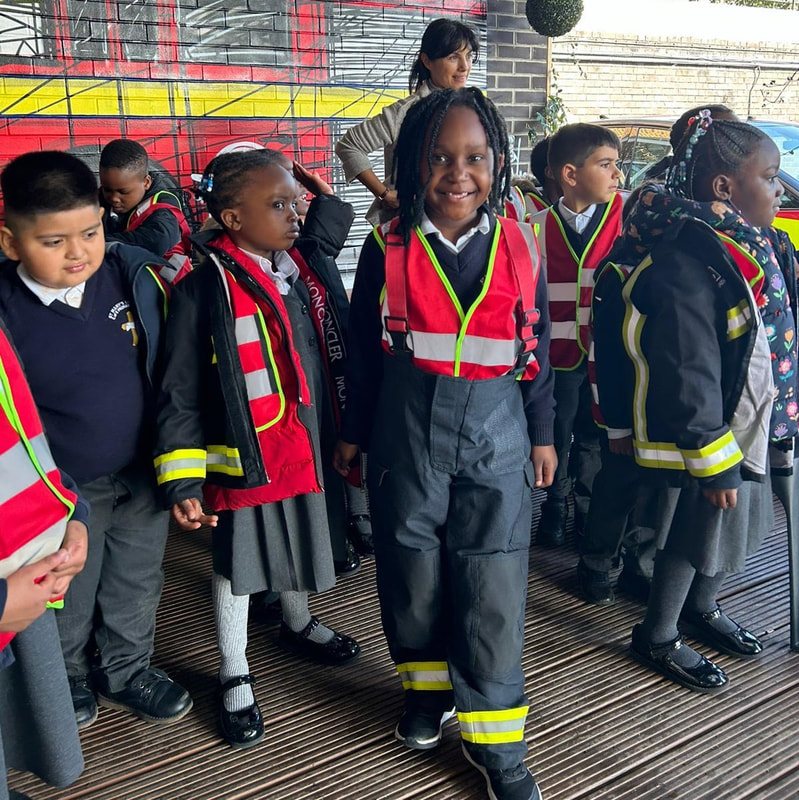
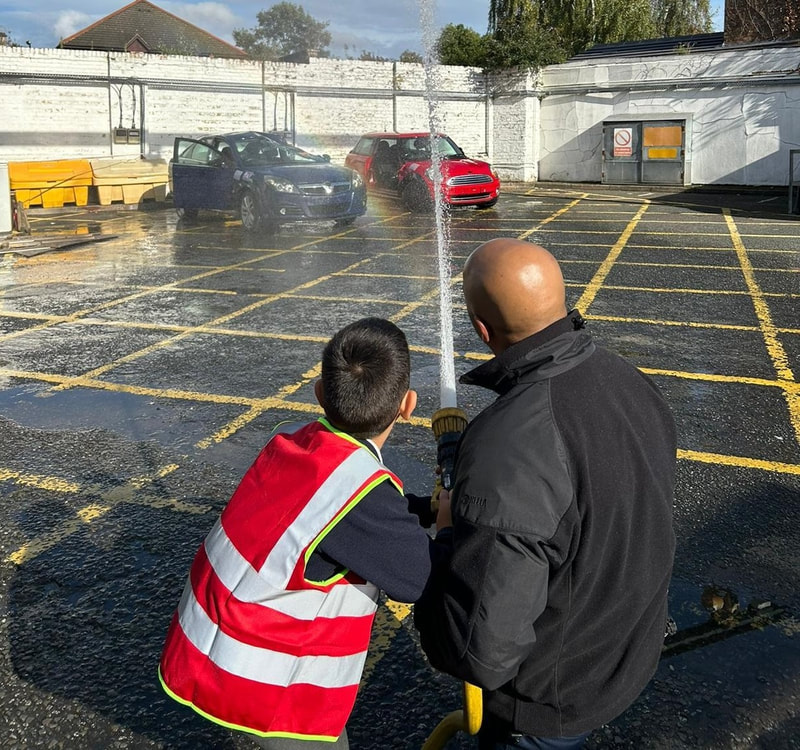
Year 1 and Year 2 visited Lewisham Fire Station! We learned about the equipment firefighters use to fight fires and compared that to how the fire was stopped during the Great Fire of London.