

Geography
Curriculum Progression
St Mary's Geography curriculum is carefully sequenced to ensure clear progression in knowledge, skills, and vocabulary from Year 1 to Year 6. Pupils begin by using simple, everyday geographical language to describe familiar places and features in their local environment. As they move through the school, they develop increasing confidence in specialist geographical vocabulary, map skills, fieldwork techniques, and analytical thinking. By Upper Key Stage 2, pupils are able to use precise terminology, interpret a wide range of data, understand complex physical and human processes, and explain geographical issues at local, national, and global scales.
Knowledge, Skills and Vocabulary Progression Early Years Curriculum
Vocabulary
| Human Geography | Physical Geography | Directional Language / Map Skills | |
| Year 1 | road, park, farm, shop, town, city | hill, field, forest, beach, river, weather | near, far, left, right |
| Year 2 | country, capital, port, factory, town, city | continent, ocean, soil, valley, coastline, cliff, mountain | north, south, east, west, miles |
| Year 3 | settlement, village, farming, crops, pasture, irrigation, recycling, energy | volcano, earthquake, river, source, delta, estuary, climate, biome | compass points, kilometres, coordinates |
| Year 4 | voyage, explorer, port, communication, fair trade, raw materials | sea, ocean, equator, Arctic, Antarctic, island, tropical, hurricane, water cycle | scale, latitude, longitude |
| Year 5 | migration, urban, rural, pollution, planet, global warming, climate | fjord, loch, atmosphere, ozone layer, coastline, estuary | grid references, data layers |
| Year 6 | immigration, refugee, displacement, communication | natural resources, mineral deposits, archipelago, reef, weather system | six-figure grid references, data interpretation |
Click below to learn about our Geography Curriculum Intent, Implementation and Impact:
Intent
Our geography curriculum aims to inspire curiosity and fascination about the world and its people. We want pupils to develop a deep understanding of physical and human geography, recognise how places are connected, and appreciate how environments change over time. Through progressive knowledge, vocabulary, and enquiry skills, pupils are encouraged to think critically about global issues such as climate change, migration, and sustainability, helping them to become informed, responsible global citizens.
Implementation
Geography is taught through a carefully sequenced curriculum that builds knowledge and skills year on year. Lessons include map work, use of atlases and digital tools, fieldwork in the local area, data collection, and enquiry-based learning. Vocabulary is explicitly taught and revisited to ensure retention and accurate use. Teachers use a range of teaching strategies, including discussion, practical activities, research tasks, and opportunities for pupils to ask and answer geographical questions using evidence.
Impact
By the end of Year 6, pupils are confident geographers who can use accurate geographical vocabulary, interpret maps and data, and explain physical and human processes. They are able to compare places, identify patterns, and evaluate geographical issues using evidence. Pupils leave primary school with strong enquiry skills, a secure understanding of the world around them, and the ability to articulate informed opinions about geographical challenges and change.
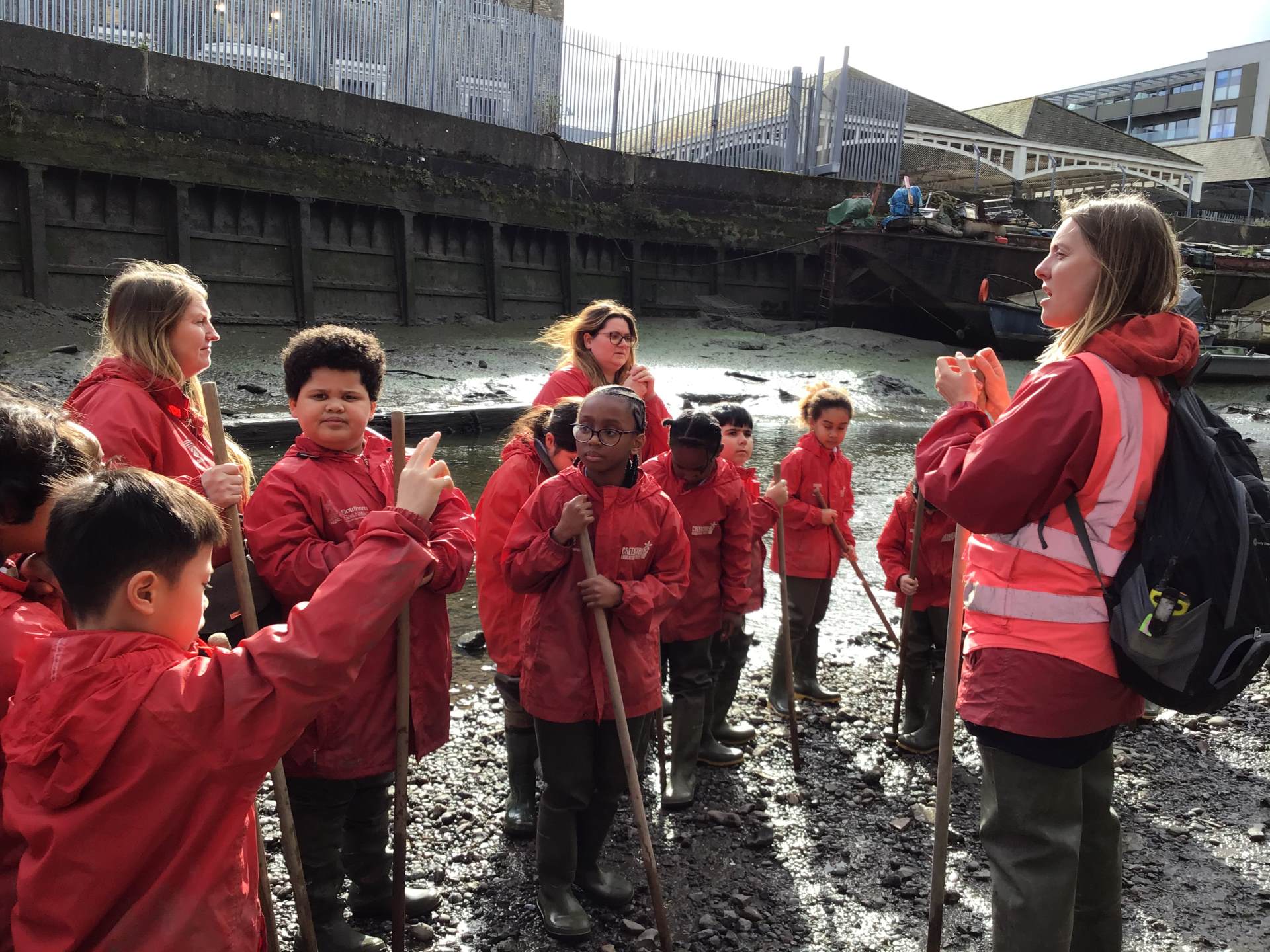
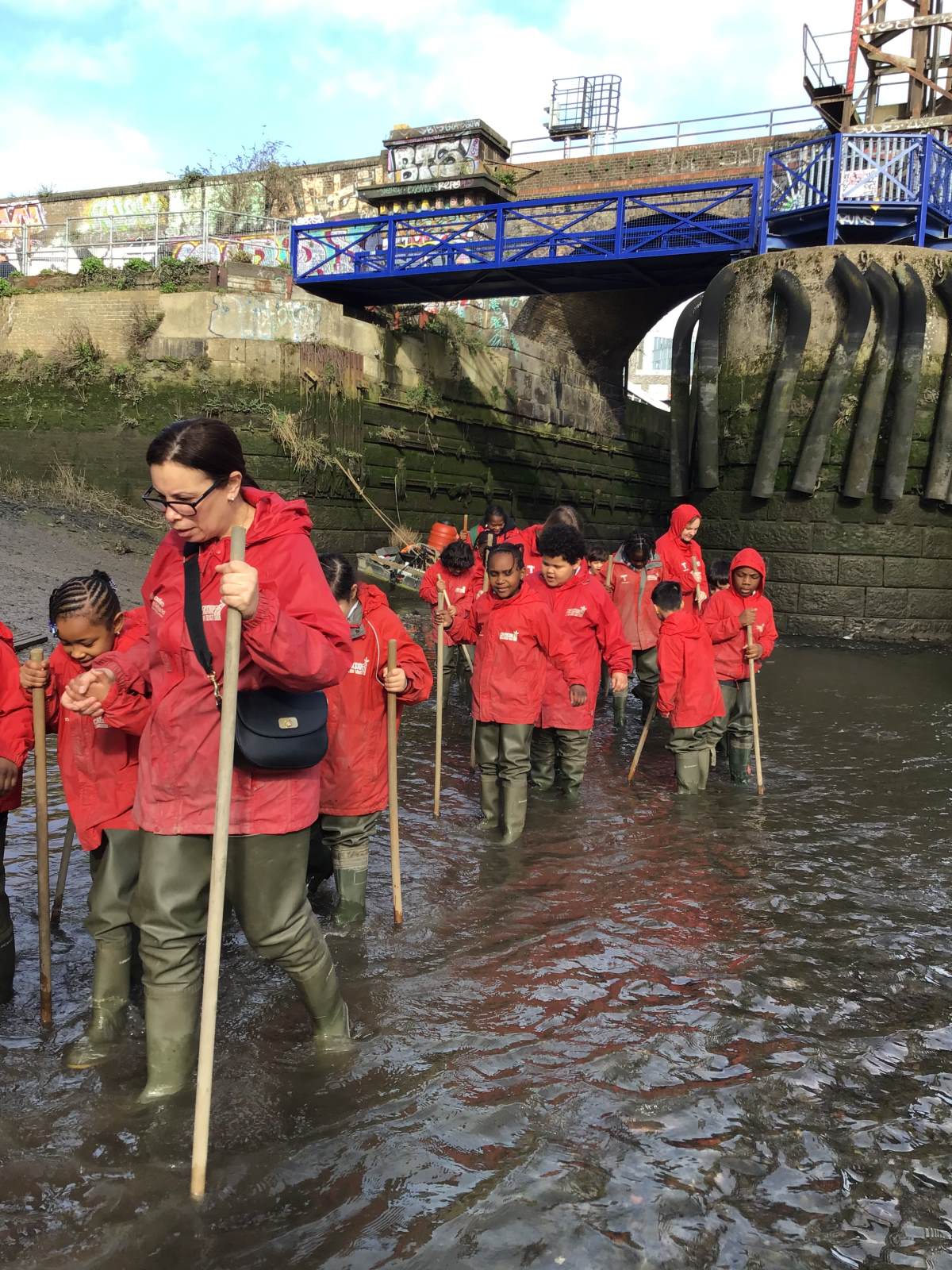
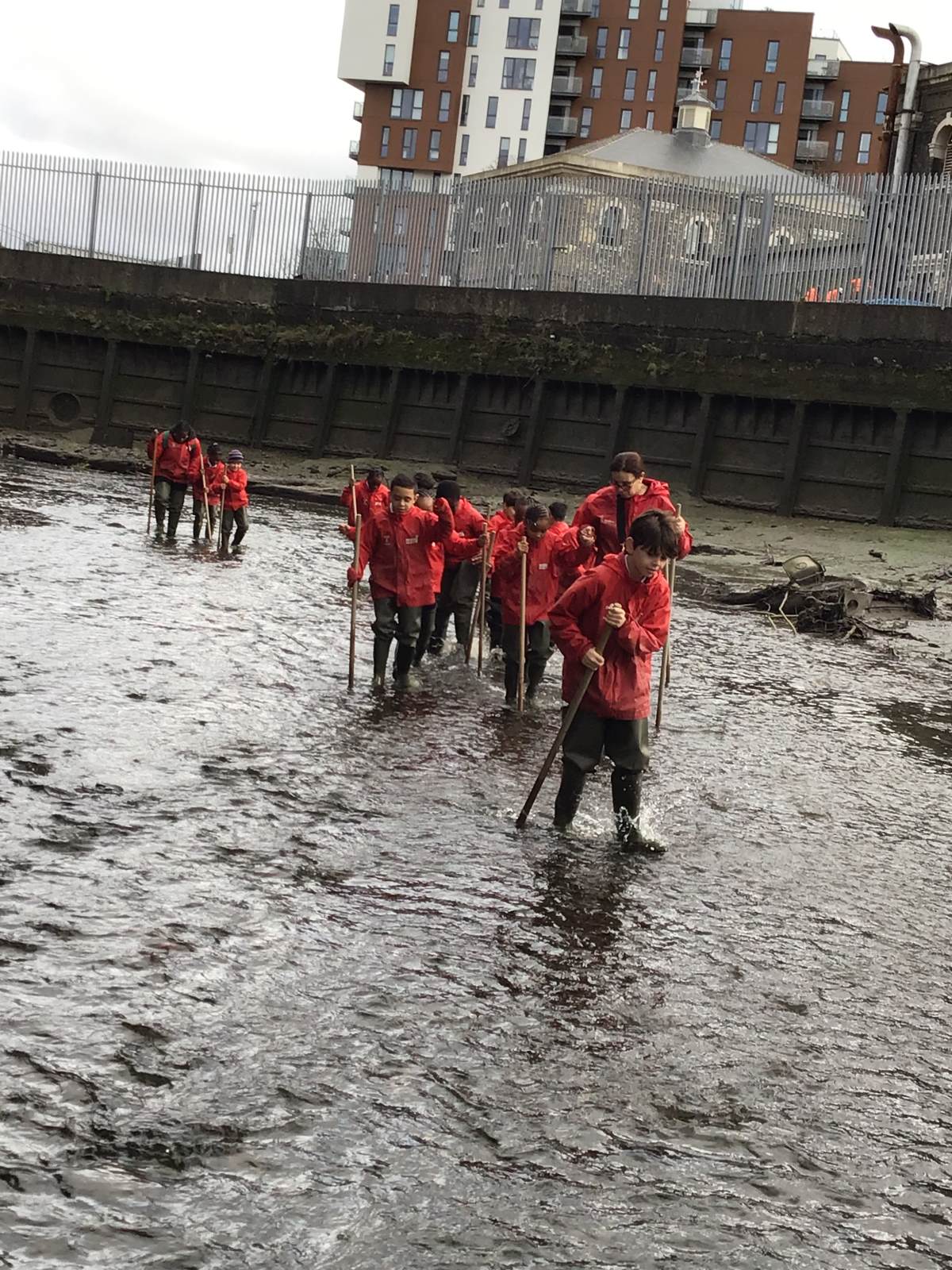
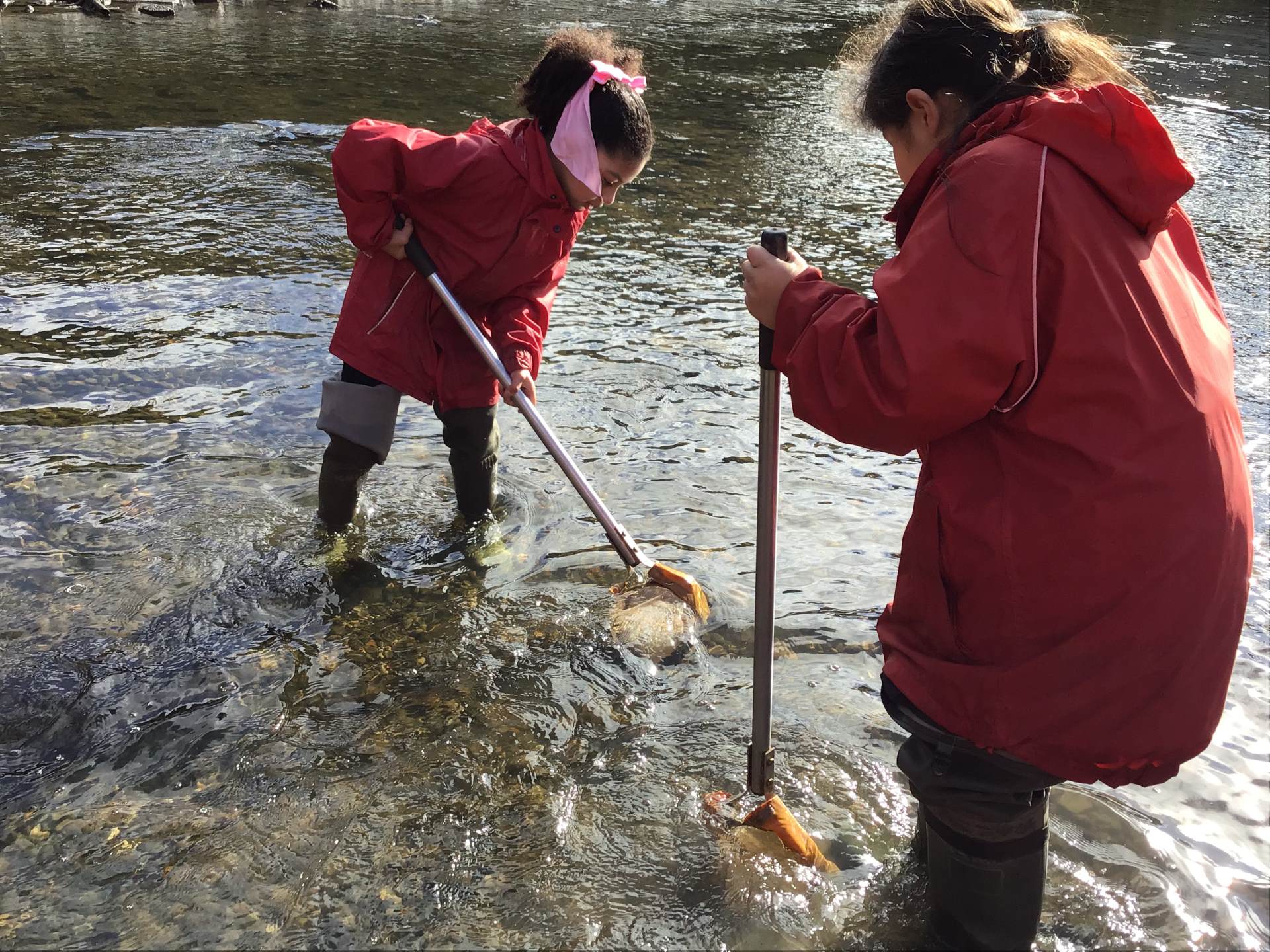
Year 3 and Year 4 trip to Creekside Discovery Centre
As part of their Geography curriculum study of rivers, Year 3 and Year 4 visited Creekside Discovery Centre.
They learned about the physical and human features of the river. They also looked at different artefacts found in the river.
Lewisham Park - Community Project
As part ofour learning about the local area and how land can be used for different purposes, we were invitied to support the design of improvements to Lewisham Park. The children prepared designs and met with the planning team, as well as local Councillors. The children included landscaping and a new playground on their plans and a few months later, they were excited to attend the grand reopening of the park.


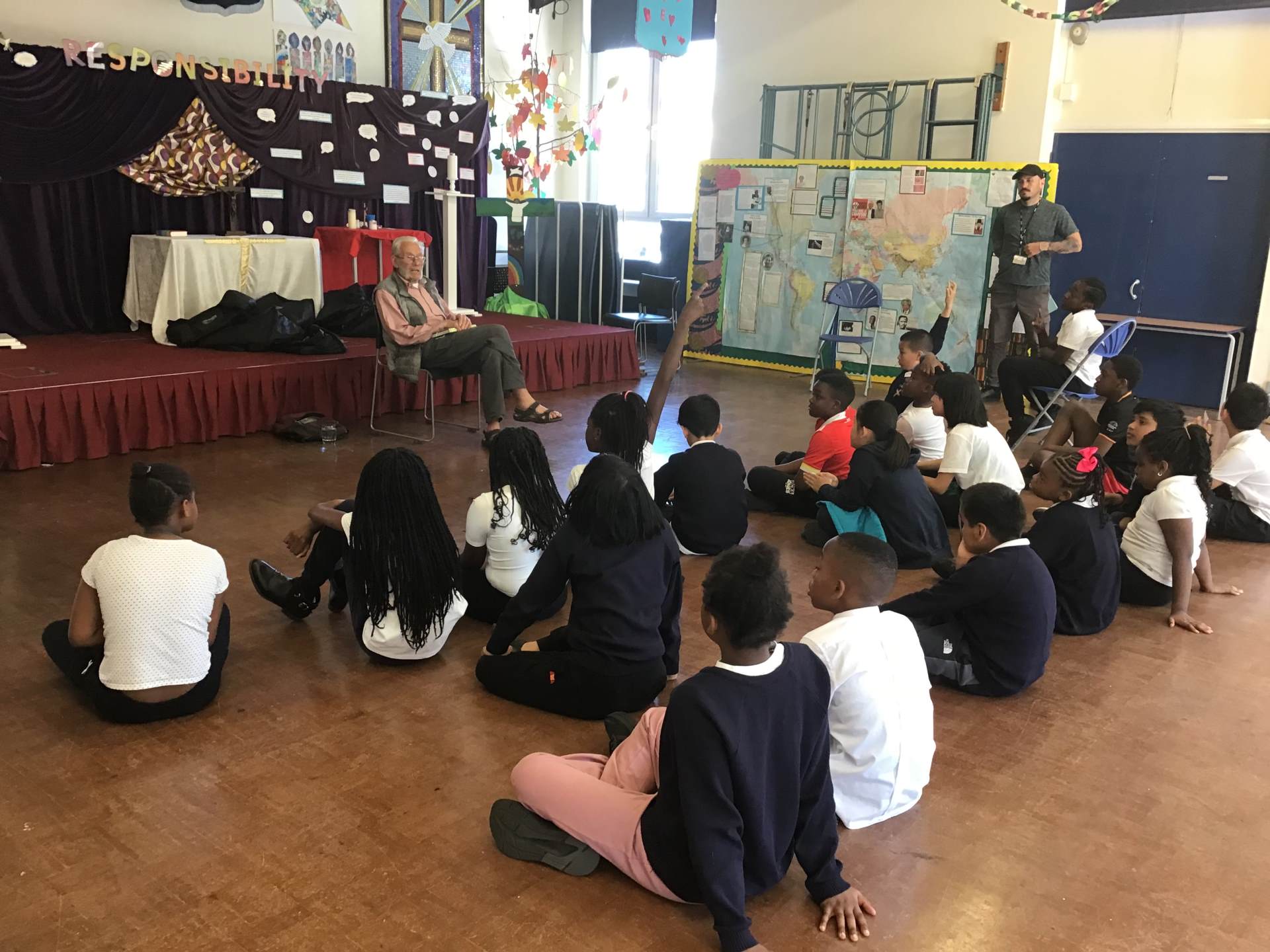
Evacuees in World War 2
We welcomed a local resident who was an evacuee in the second world war. Through sharing his life expeirences, the children learned about how children moved from urban to countryside environments and the reason behind this.